Drifting Into Dreams: Picture Books That Turn Bedtime Into Imagination
Bedtime is rarely just about falling asleep. For many children, it’s the moment when thoughts grow louder, questions surface, and imagination stretches its wings. The books gathered in this article embrace that in-between space—the gentle pause between day and night, waking and dreaming. Rather than rushing children toward sleep, these stories invite them to linger: to wonder, imagine, reflect, and feel safe as their minds slow down in their own time.
From soothing reassurance for restless sleepers to dreamlike adventures that wander freely, from poetic reflections to playful rhymes and bold future visions, each of these books treats dreams as something meaningful. They show that imagination can calm, curiosity can comfort, and bedtime can be a place of connection rather than pressure. Together, these titles form a rich, varied collection for children whose nights are full of thoughts, questions, and possibilities.
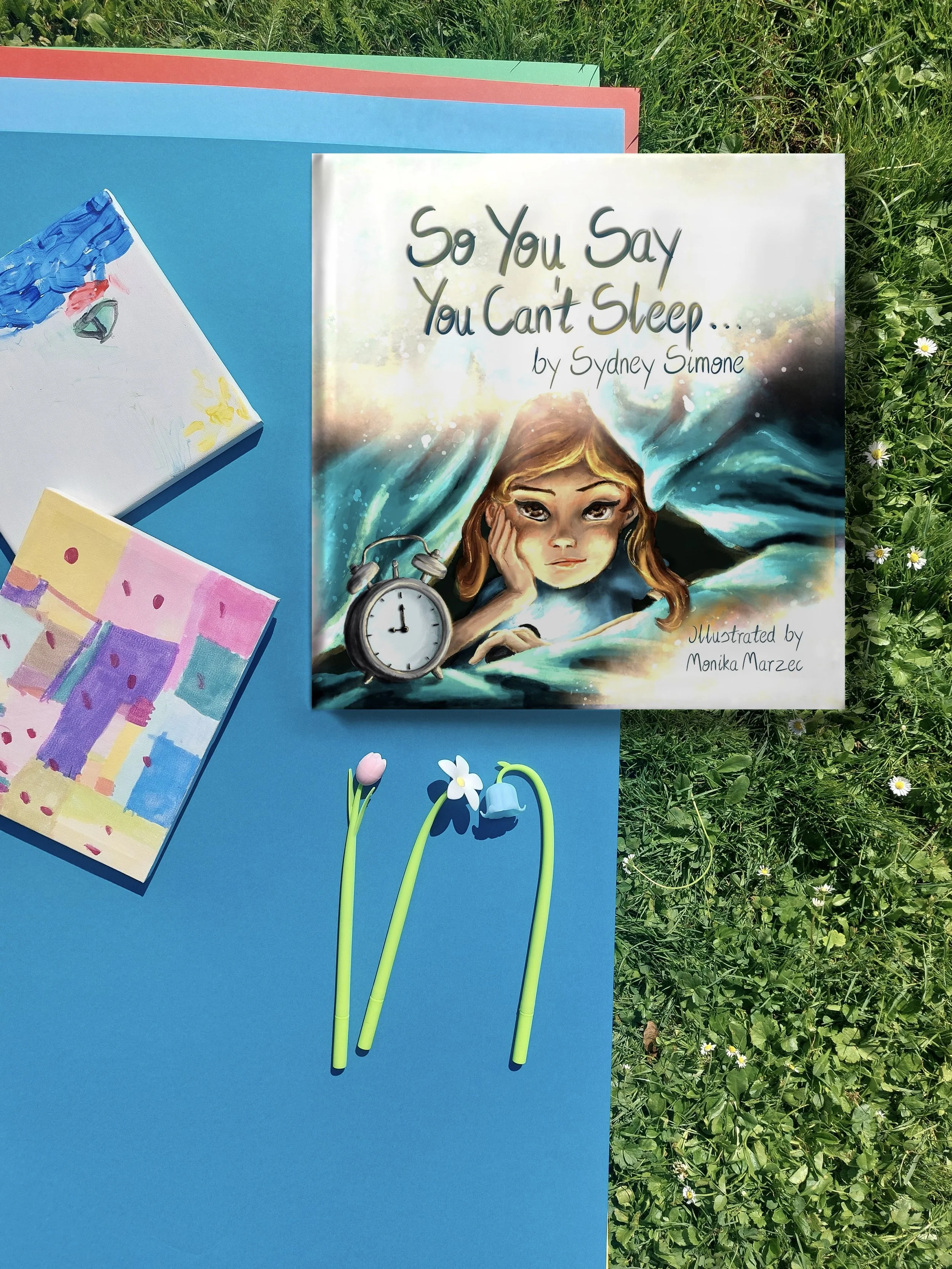
Gentle Nighttime Wisdom Wrapped in Imagination
Review of So You Say You Can’t Sleep by Sydney Simone
So You Say You Can’t Sleep is a soothing, imaginative bedtime story that meets children exactly where they are in those quiet—but often restless—moments before sleep. Instead of pushing sleep as a rule or requirement, the book gently reframes sleeplessness as a space for curiosity, comfort, and creativity. The narrator speaks directly to the child reader, creating a reassuring, conversational tone that immediately feels safe and understanding.
What makes this book especially effective is how it transforms lying awake into an opportunity rather than a problem. The story invites children to notice their thoughts, imagine gentle scenarios, and let their minds wander without pressure. This approach validates common nighttime worries or bursts of imagination, helping children feel less alone when sleep doesn’t come right away. It’s a thoughtful reminder that rest doesn’t always begin with sleep—it can begin with calm.
The illustrations play an essential role in reinforcing this mood, visually echoing the softness and dreamlike quality of the text. Gentle colors, cozy scenes, and imaginative details encourage slow looking, making the book ideal for shared bedtime reading. Each spread feels like a quiet pause, allowing children to settle naturally rather than rush toward an ending.
Overall, So You Say You Can’t Sleep is a beautiful addition to any bedtime bookshelf—especially for children who struggle with winding down or whose minds stay busy at night. It offers comfort without instruction, imagination without overstimulation, and reassurance without judgment. A perfect fit for an article exploring children’s books about dreams, rest, and the gentle space between waking and sleep.
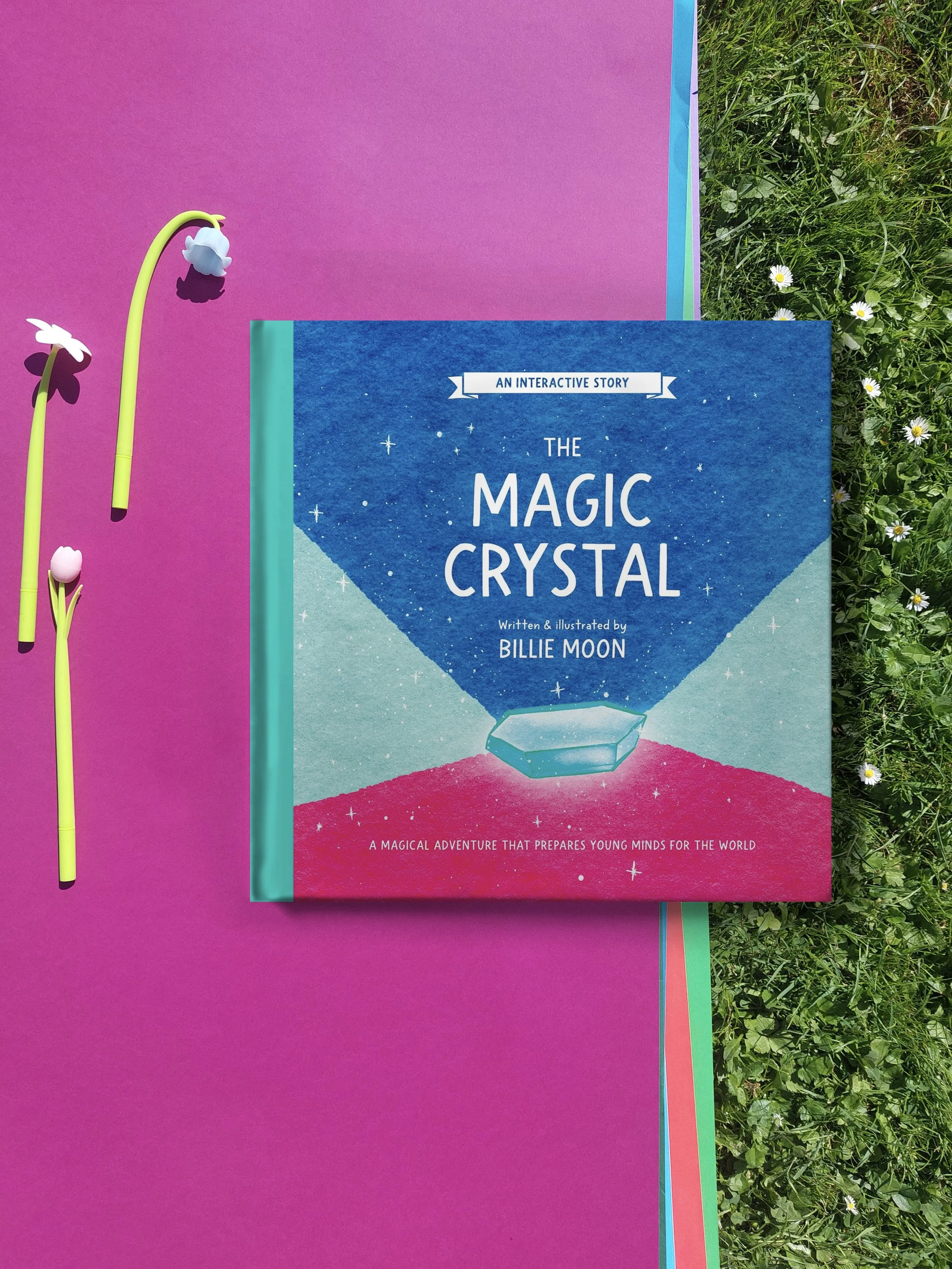
A Dreamlike Journey Where Every Path Is Possible
Review of The Magic Crystal by Billie Moon
The Magic Crystal: A Magical Adventure That Prepares Young Minds for the World unfolds like a dream rather than a traditional story. From the very beginning, the atmosphere is soft, surreal, and gently immersive, inviting young readers into a space where logic loosens and imagination takes the lead. This is not a book that rushes toward a conclusion—it drifts, wanders, and encourages children to do the same.
One of the most distinctive elements of the book is its interactive structure. There is no fixed reading order, and that freedom feels deeply intentional. Just as dreams rarely follow a straight line, the reader is invited to move through the book in their own way—skipping, returning, and choosing pages intuitively. This open format empowers children to become active participants in the story, trusting their instincts and curiosity as they travel through the dreamlike world shaped by the magic crystal.
The dream atmosphere gives the story its emotional depth. Rather than focusing on action or problem-solving, the book emphasizes mood, sensation, and inner experience. Each moment feels like a fragment of a dream—symbolic, calm, and open to interpretation. This makes the reading experience especially reflective, allowing children to engage at their own pace and revisit the book repeatedly, each time discovering something new.
The Magic Crystal is a beautiful example of how children’s books can mirror the way imagination truly works. By letting go of linear storytelling, it creates space for creativity, emotional exploration, and personal meaning. As part of an article about dreams and nighttime worlds, this book stands out as an invitation not just to read—but to wander, dream, and explore freely.
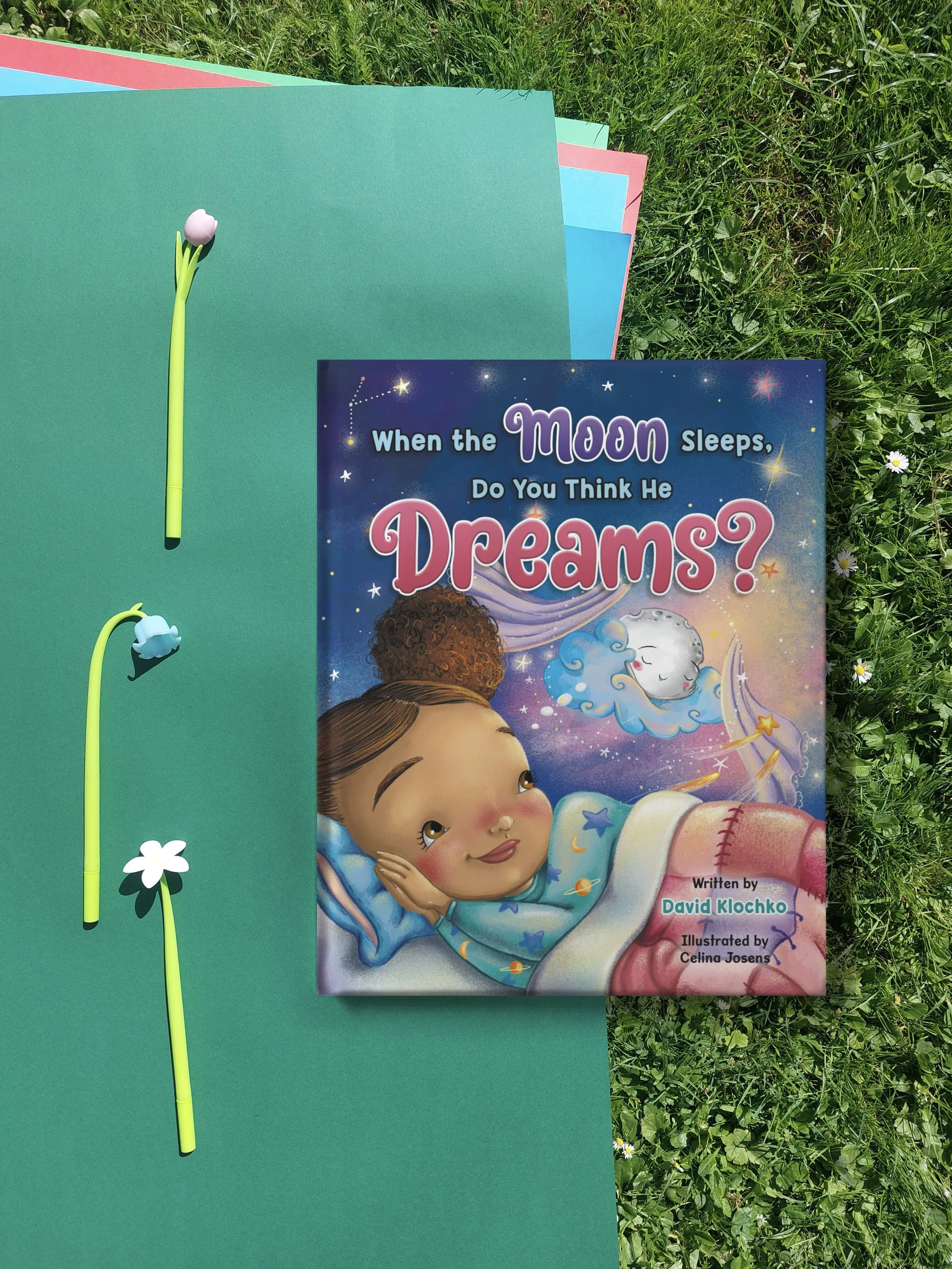
Wonder, Dreams, and a First Step into Space
Review of When the Moon Sleeps, Do You Think He Dreams? by David Klochko, illustrated by Celina Josens
When the Moon Sleeps, Do You Think He Dreams? is a gentle, poetic picture book that blends nighttime imagination with early learning about space. Through a childlike question and a calm, reflective tone, the story invites young readers to look up at the moon and begin thinking about the universe beyond Earth. The moon becomes both a comforting presence at bedtime and a gateway to curiosity about the night sky.
What gives the book particular educational value is how it introduces space concepts in an accessible, non-instructional way. Rather than presenting facts directly, it encourages observation, questioning, and discussion—key foundations of early scientific thinking. Children are prompted to consider the moon as a real object in space while still engaging with it through imagination, helping them build a natural connection between wonder and learning.
The text leaves room for dialogue between children and adults, making it an excellent starting point for conversations about space, celestial bodies, and how the Earth relates to the sky above. This approach supports both curiosity-driven learning and emotional engagement, showing children that learning about space can be calm, comforting, and deeply inspiring.
Celina Josens’ illustrations reinforce this balance beautifully. Soft lighting, expansive compositions, and gentle cosmic details reflect the vastness of space without overwhelming young readers. The visuals invite lingering and quiet exploration, supporting both bedtime routines and early interest in astronomy.
As part of an article about books on dreams, When the Moon Sleeps, Do You Think He Dreams? stands out as a title that quietly connects dreaming with discovery. It nurtures imagination while laying the groundwork for understanding space—making it a thoughtful choice for children who love to wonder, question, and gaze at the stars before falling asleep.
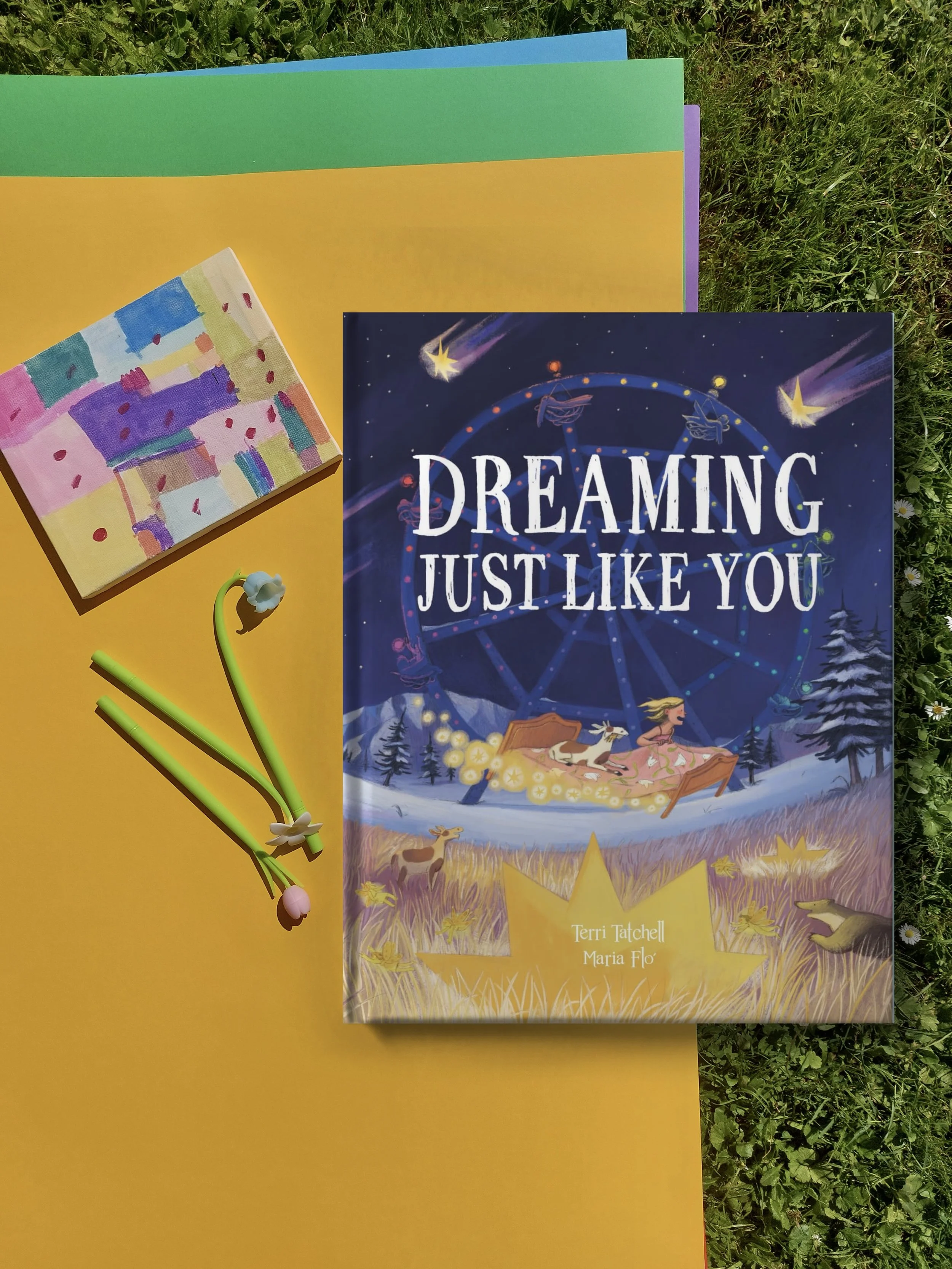
A Gentle Reminder That Everyone Dreams—Just Like You
Review of Dreaming, Just Like You by Terri Tatchell, illustrated by Maria Flo
Dreaming, Just Like You: A Bedtime Journey Through the Dreams of Every Creature is a tender, reassuring bedtime book that expands a child’s sense of connection to the world. Through a gentle rhythm and inclusive perspective, the story invites young readers to imagine how animals—big and small, near and far—also slip into dreams when night falls. The effect is comforting and quietly magical, reminding children that dreaming is a shared experience across all living beings.
The book’s strength lies in its emotional universality. By showing that every creature dreams “just like you,” it subtly nurtures empathy and belonging. Children are encouraged to see themselves as part of a larger, caring world, easing nighttime separations and anxieties that often surface before sleep. The tone is calm and steady, making the book especially well suited for winding down at the end of the day.
Maria Flo’s illustrations play a crucial role in this sense of calm. Soft colors, flowing compositions, and expressive yet peaceful animals create a visual rhythm that mirrors the slowing pace of bedtime. Each spread feels gentle and unhurried, inviting children to linger, observe, and relax as the story unfolds.
As part of a collection of books about dreams and nighttime routines, Dreaming, Just Like You stands out for its message of shared experience and emotional safety. It’s a soothing companion for bedtime, helping children settle into sleep with the comforting thought that the whole world—animals included—is dreaming alongside them.
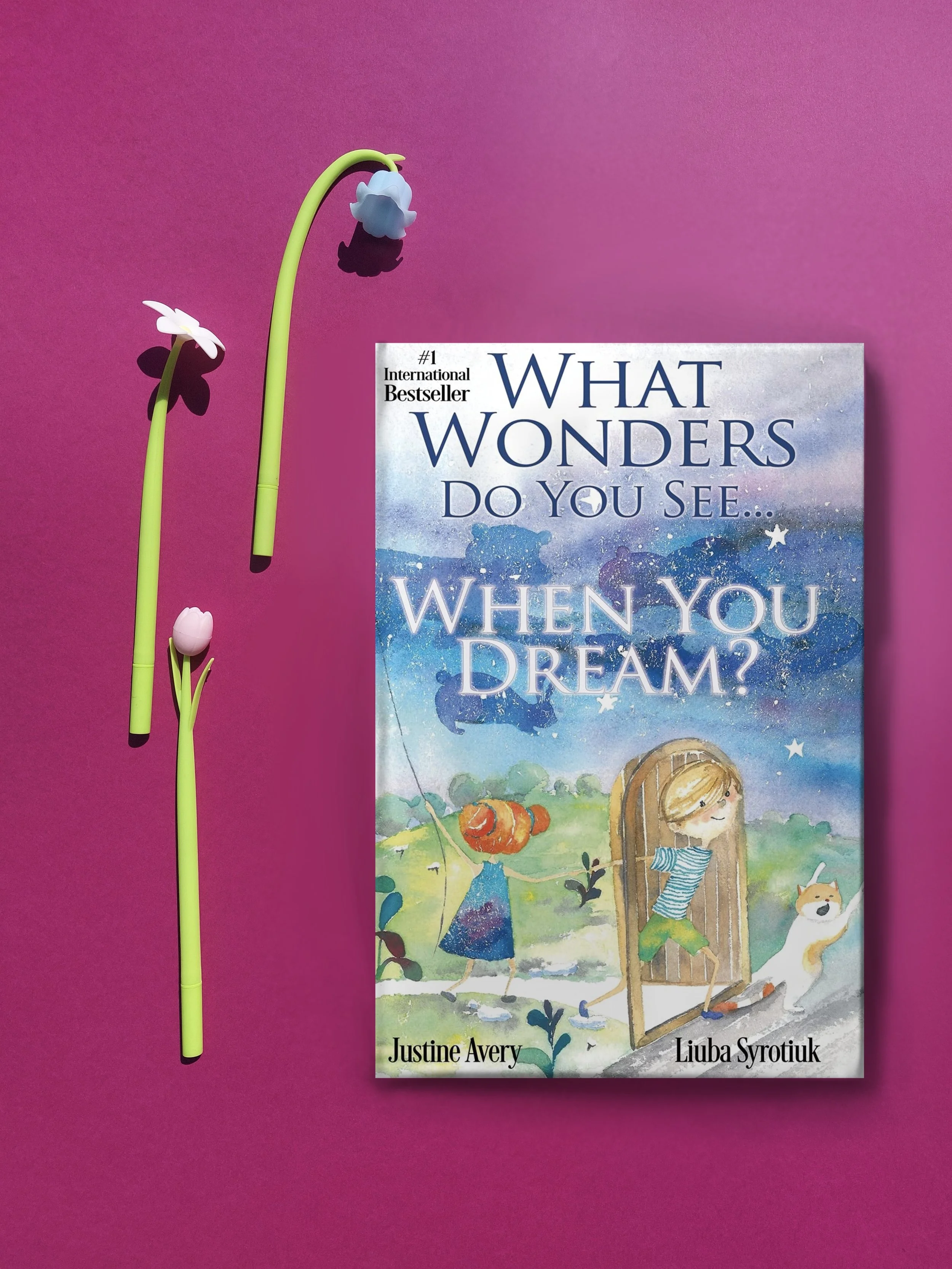
A Gentle Bridge Between Day, Dreams, and Sleep
Review of What Wonders Do You See... When You Dream? by Justine Avery, illustrated by Liuba Syrotiuk
What Wonders Do You See… When You Dream? softly guides children into the quiet space between waking and sleep. Built around open-ended questions and gentle reflection, the book invites young readers to slow down, turn inward, and notice the thoughts and images that surface as the day comes to an end. Rather than telling a story with a fixed arc, it creates a calm emotional rhythm that naturally supports bedtime reading.
One of the book’s greatest strengths is how well it fits into a bedtime routine. The language encourages children to pause, imagine, and breathe, helping them shift from the activity of the day to a more restful state of mind. By focusing on dreams and inner experiences, the book offers a soothing transition that prepares children for sleep without pressure or urgency.
The reflective structure also nurtures imagination and emotional awareness. By asking children what they see, feel, or wonder about in their dreams, the book validates their inner worlds and invites conversation with caregivers. This makes it an ideal shared read, opening space for connection while gently calming both body and mind.
Liuba Syrotiuk’s illustrations enhance this sense of ease and stillness. Soft colors, flowing forms, and dreamlike imagery encourage slow looking and quiet engagement, reinforcing the book’s calming effect. Each spread feels like an invitation to linger, making the reading experience unhurried and comforting.
As part of a collection of books about dreams and nighttime reflection, What Wonders Do You See… When You Dream?stands out as a thoughtful tool for easing into sleep. It supports bedtime routines while nurturing curiosity, imagination, and emotional calm—offering children a peaceful way to close the day and welcome their dreams.
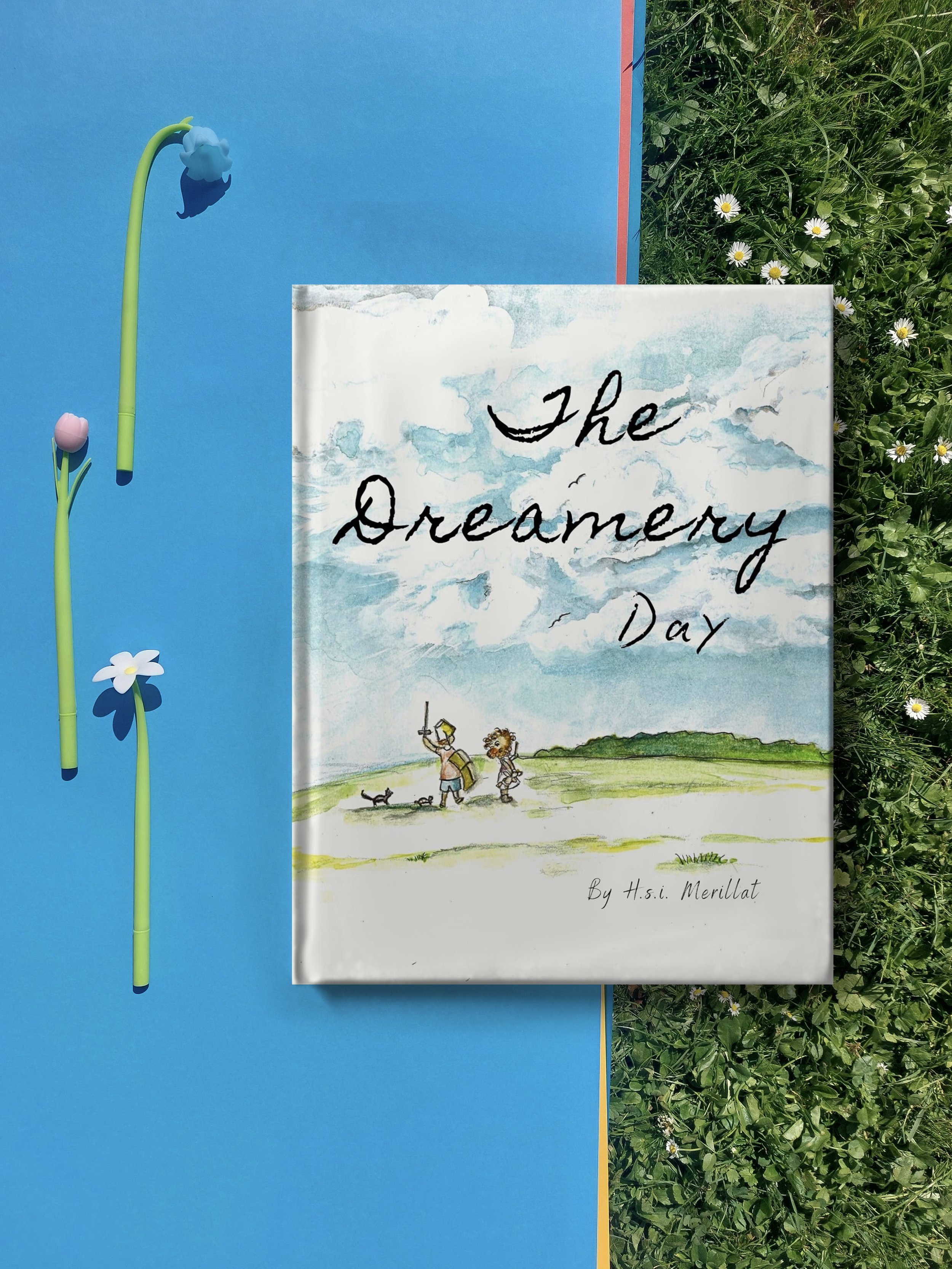
A Celebration of Daydreams, Creativity, and Inner Worlds
Review of The Dreamery Day by H.S.I. Merillat
The Dreamery Day is a warm, imaginative picture book that honors the quiet magic of daydreaming. Instead of treating wandering thoughts as distractions, the story celebrates them as a vital part of childhood—spaces where creativity grows and ideas begin to take shape. The tone is gentle and inviting, making young readers feel seen and understood in moments when their minds drift away from the ordinary.
At its heart, the book encourages children to trust their inner worlds. Daydreams become places of exploration, invention, and emotional expression, showing that imagination is not separate from real life but deeply connected to it. This perspective is especially meaningful for children who think visually, creatively, or reflectively, validating ways of engaging with the world that are often quiet and personal.
The illustrations support this theme beautifully, blurring the line between reality and imagination. Dreamlike scenes flow naturally from everyday moments, helping children understand that creativity can emerge anywhere—during play, rest, or simple observation. The visual storytelling invites slow reading and revisiting, allowing each spread to spark new interpretations and conversations.
As part of a collection of books about dreams and inner experiences, The Dreamery Day stands out for its affirmation of imagination as a strength. It gently reassures children that dreaming—whether awake or asleep—is not something to rush past, but something to cherish. A thoughtful, calming read that encourages creativity, self-expression, and confidence in one’s own way of seeing the world.
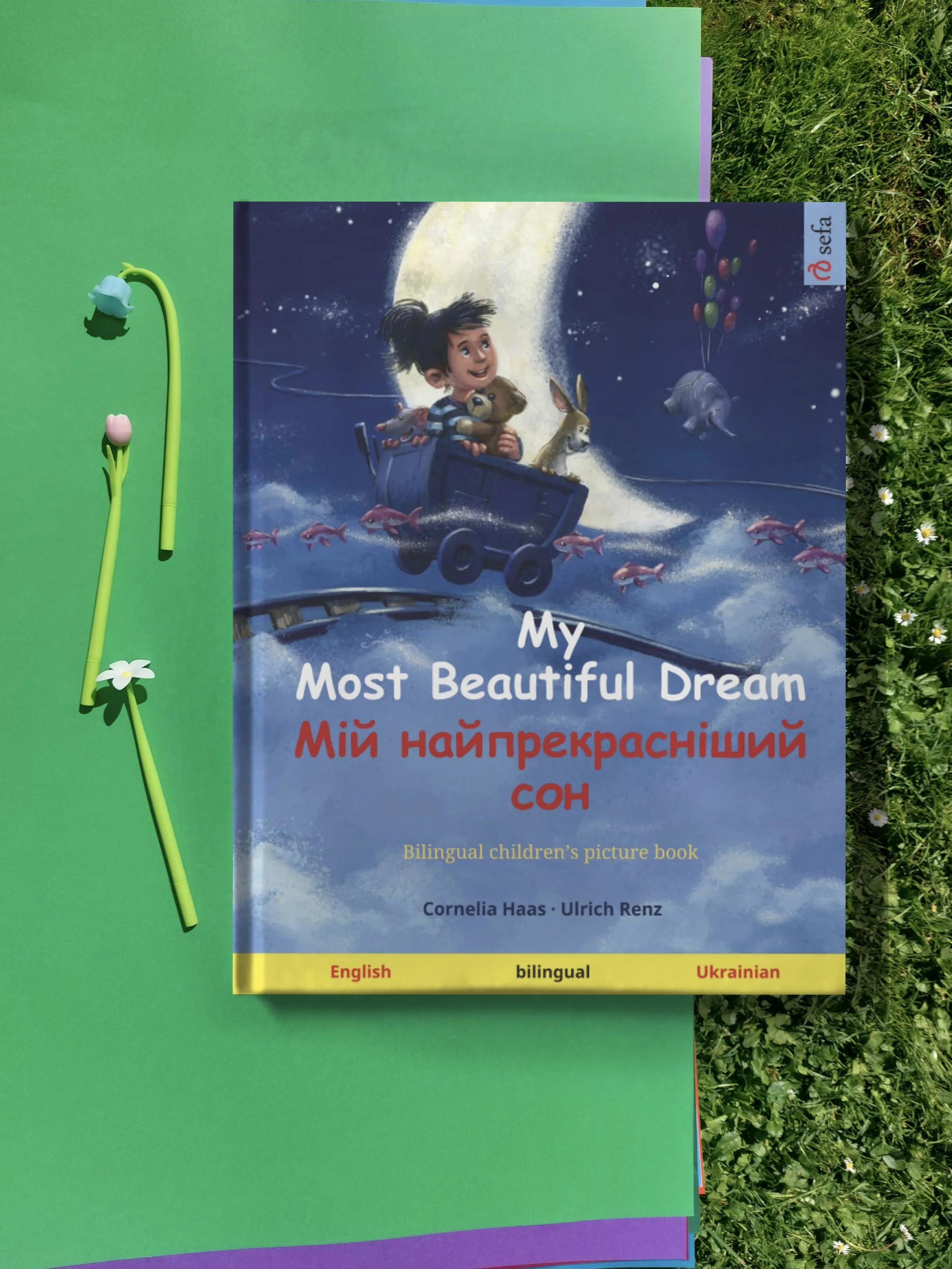
Where Gentle Dreams and Beautiful Art Meet
Review of My Most Beautiful Dream – Мій найпрекрасніший сон by Cornelia Haas
My Most Beautiful Dream – Мій найпрекрасніший сон is a tender bilingual picture book that pairs a calm, dreamlike story with especially lovely illustrations. Told in both English and Ukrainian, the book creates a peaceful space where language, imagination, and emotion flow together naturally—making it a comforting read for bedtime and a meaningful resource for bilingual families.
The illustrations are where the book truly shines. Soft colors, delicate lines, and gentle compositions perfectly capture the fleeting, almost weightless quality of dreams. The artwork feels quiet and reassuring, inviting children to slow down and simply look. Each spread allows the reader to linger, notice small details, and emotionally settle into the scene—exactly what a bedtime book should encourage.
Rather than overpowering the text, the illustrations work in harmony with it. They visually translate the feeling of dreaming—where images drift, transform, and blend—helping children understand the story even without focusing closely on the words. This makes the book especially accessible for younger readers and for children engaging with a second language, as meaning is carried just as strongly through the visuals.
The dreamlike art also supports emotional regulation. The gentle imagery creates a sense of safety and calm, helping children transition from the stimulation of the day into rest. Paired with the bilingual text and optional online audio and video, the illustrations turn the book into a fully immersive, soothing experience that can be read, watched, or listened to.
As part of a collection of books about dreams and nighttime routines, My Most Beautiful Dream – Мій найпрекрасніший сон stands out for its visual tenderness. It’s a book that doesn’t rush, doesn’t demand, and doesn’t overstimulate—just like the most beautiful dreams themselves.
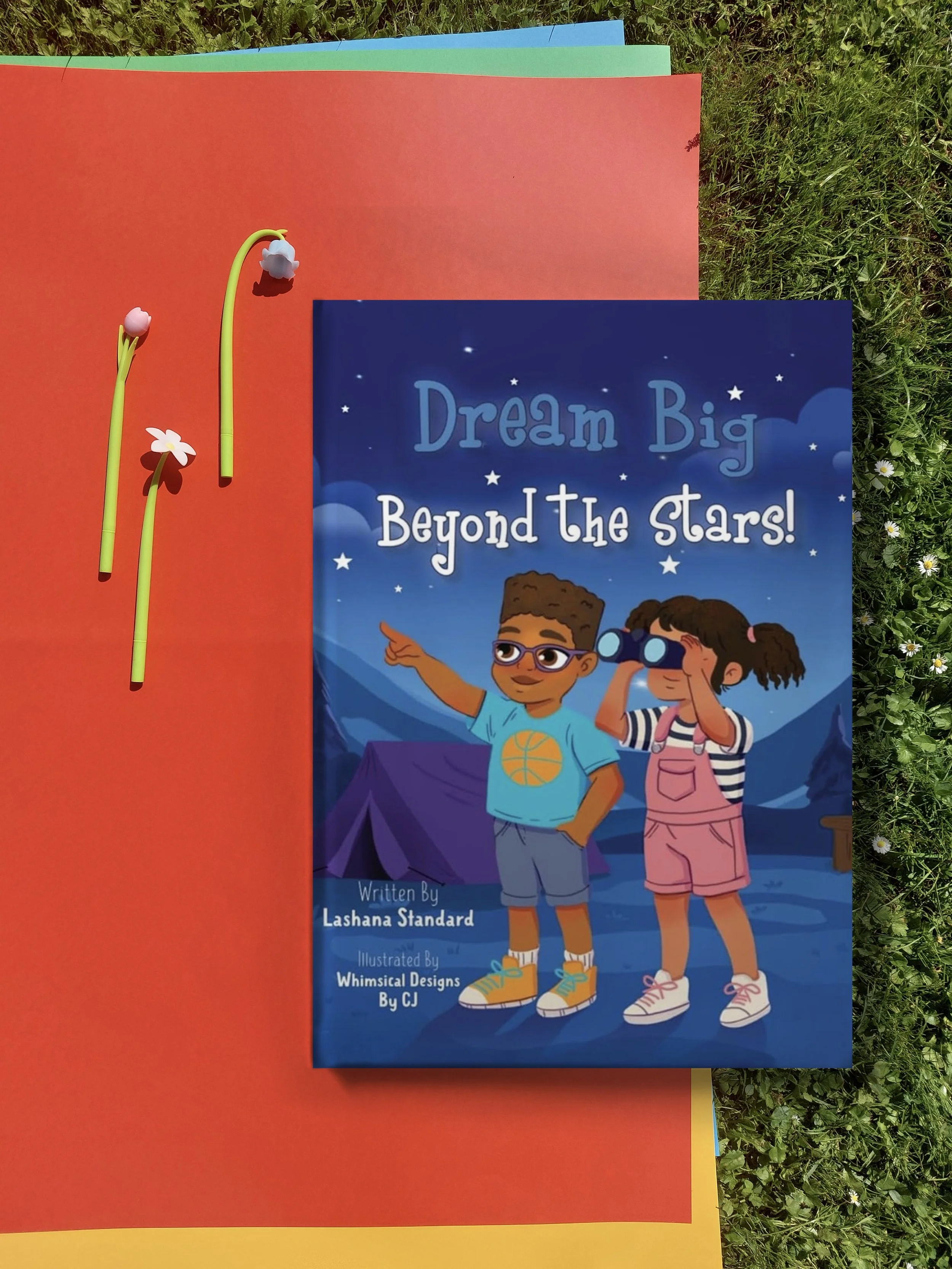
A Bright, Encouraging Look at Future Dreams and Real-World Possibilities
Review of Dream Big Beyond the Stars by Lashana Standard, illustrated by Whimsical Designs by CJ
Dream Big Beyond the Stars uses the language of stars and “reaching beyond” as a metaphor—not for outer space, but for a child’s future. At its heart, this is a book about occupations and possibilities: the many paths children can imagine for themselves as they grow. The tone is optimistic and affirming, helping young readers connect big dreams with real, tangible roles in the world.
What makes the book especially valuable is how it frames careers as something playful and open-ended rather than fixed or intimidating. It invites children to picture themselves in different jobs and futures, encouraging curiosity about what people do and how those roles shape communities. That simple shift—“you can be this” / “you can try that”—builds confidence and helps children start forming language around identity, interests, and aspirations.
Educationally, it works well as an early introduction to career awareness. It can spark conversations about strengths (“What are you good at?”), values (“What do you want to help with?”), and interests (“What would you like to learn more about?”). In a classroom or home setting, it’s the kind of book that naturally leads to follow-up activities: drawing “future me,” role-play, or connecting occupations to everyday helpers children already know.
The illustrations support the book’s upbeat, motivational feel, keeping the message child-friendly and engaging. Overall, Dream Big Beyond the Stars is a supportive, forward-looking read that helps children dream big in a grounded way—by exploring careers, imagining themselves in meaningful roles, and realizing that their future can be wide open.
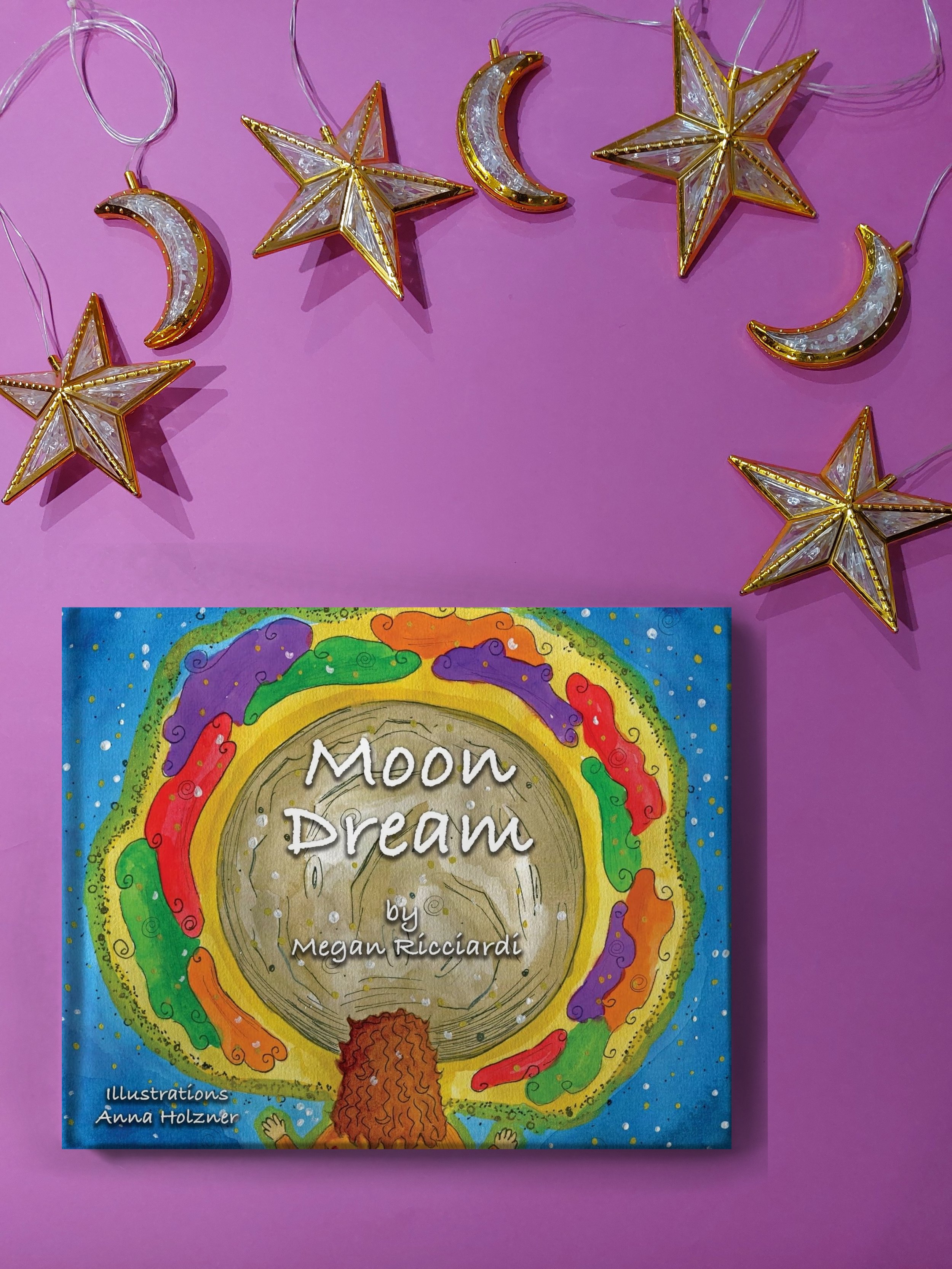
A Dream-Fueled Moon Mission Full of Wonder
Review of Moon Dream by Megan Ricciardi, illustrated by Anna Holzner
Moon Dream is an imaginative bedtime adventure that captures a child’s biggest wish—traveling to the moon—and makes it feel completely possible through the power of dreams. The story follows a girl who longs to go beyond the Earth, and when sleep finally arrives, it opens a doorway to the exact kind of wild, magical journey children love: one where curiosity leads the way and anything can happen.
In her dream, the moon isn’t a distant object in the sky—it’s a place you can visit. She meets aliens, encounters the man on the moon, and experiences the moon as a world with its own strange delights (including the unforgettable detail of eating moon cheese). These playful scenes make the book feel joyful and surprising, and they also mirror the way kids’ dreams often work: one wonderful idea tumbling into the next, with no need to explain how it’s possible.
What makes the book especially charming is how it validates a child’s big imagination and big goals. The girl’s desire to explore is taken seriously, and the dream becomes a kind of “practice space” where bravery and curiosity can be lived out safely. It’s a lovely message for young readers: even when you can’t do something yet, your imagination can take you there—and that kind of dreaming matters.
Visually, the illustrations (and the very concept of the moon as a dream destination) give the book a sense of cinematic fun—less “quiet lullaby,” more “gentle nighttime adventure.” Moon Dream is a perfect choice for kids who go to bed with their minds still buzzing, especially little explorers who want their bedtime stories to feel like a launchpad.
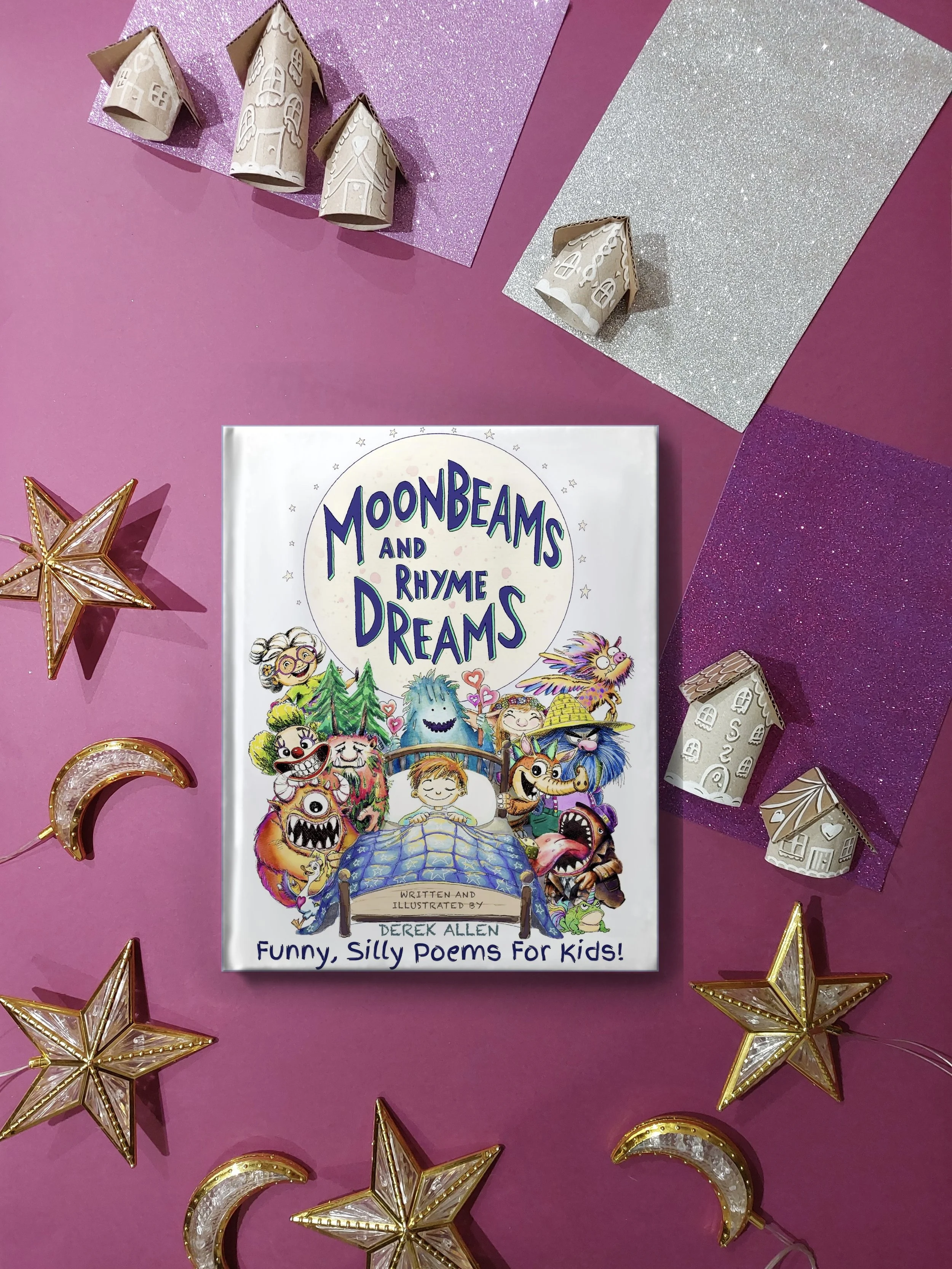
Playful Rhymes That Spark Laughter and Imagination
Review of Moonbeams and Rhyme Dreams by Derek Allen
Moonbeams and Rhyme Dreams: Funny Poems and Rhymes for Kids! is a lively and joyful collection that celebrates the fun side of language. Bursting with humor, wordplay, and rhythmic energy, the book invites young readers to laugh, listen, and play with words. Rather than focusing on a single narrative, it offers a variety of short poems that are perfect for dipping in and out—making it an easy favorite for both independent reading and read-aloud moments.
What makes this collection especially engaging is its strong sense of rhythm and sound. The rhymes roll naturally off the tongue, encouraging children to anticipate patterns, join in, and even memorize favorite verses. This playful approach supports early literacy skills such as phonemic awareness and vocabulary development, all while keeping the experience lighthearted and entertaining.
The tone balances silliness with imagination, allowing poems to feel surprising without becoming overwhelming. Some verses are laugh-out-loud funny, while others gently lean into dreamy or curious ideas—making the book flexible enough for energetic daytime reading or lighter bedtime moments that don’t require complete calm.
As part of a broader collection of books about dreams, nighttime moods, and imagination, Moonbeams and Rhyme Dreams stands out for its humor and musicality. It reminds children that reading doesn’t always have to be quiet or serious—sometimes, it can simply be joyful, rhythmic, and full of fun.
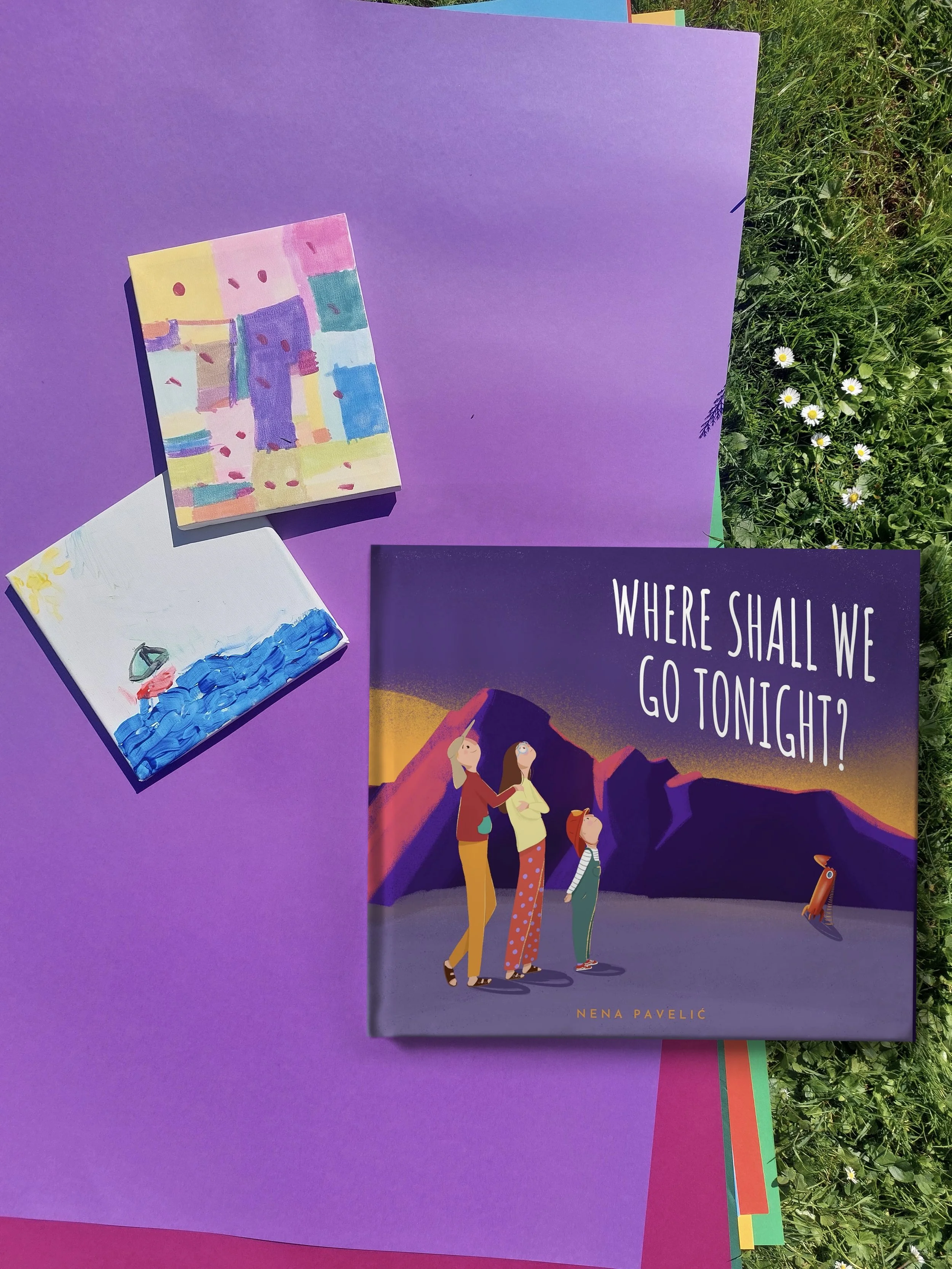
Dream Journeys and Gentle Goodnights
Review of Where Shall We Go Tonight? by Nena Pavelić
Some bedtime stories calm little ones down; others open the door to imagination before sleep. Where Shall We Go Tonight? by Nena Pavelić does both — it’s a lullaby in book form, guiding children into dreamland with curiosity, tenderness, and wonder.
The story begins with a simple, comforting question: Where shall we go tonight? From there, the narrator and child embark on a series of dreamy adventures — floating through starlit skies, dancing with moonbeams, exploring meadows, and whispering goodnight to the world. Each destination feels like a small act of love between parent and child, reminding readers that bedtime can be more than a routine — it can be a shared moment of imagination.
Pavelić’s writing is soft and musical, with a rhythm that reads almost like a poem. It’s the kind of story that feels natural to read aloud, where each line gently leads the listener deeper into rest. The imagery is vivid but soothing — the kind of magic that feels possible only at the edge of sleep.
The illustrations are equally tender. Dreamy pastels, glowing stars, and quiet landscapes create a sense of calm that pairs perfectly with the text. There’s movement in every page — clouds swirling, stars winking — yet it never overwhelms. Everything feels balanced and beautifully timed for bedtime.
What makes Where Shall We Go Tonight? so special is its heart. It’s not just about where you’ll go, but who you’ll go there with. It’s a book that turns bedtime into connection — one last adventure shared before dreams take over.
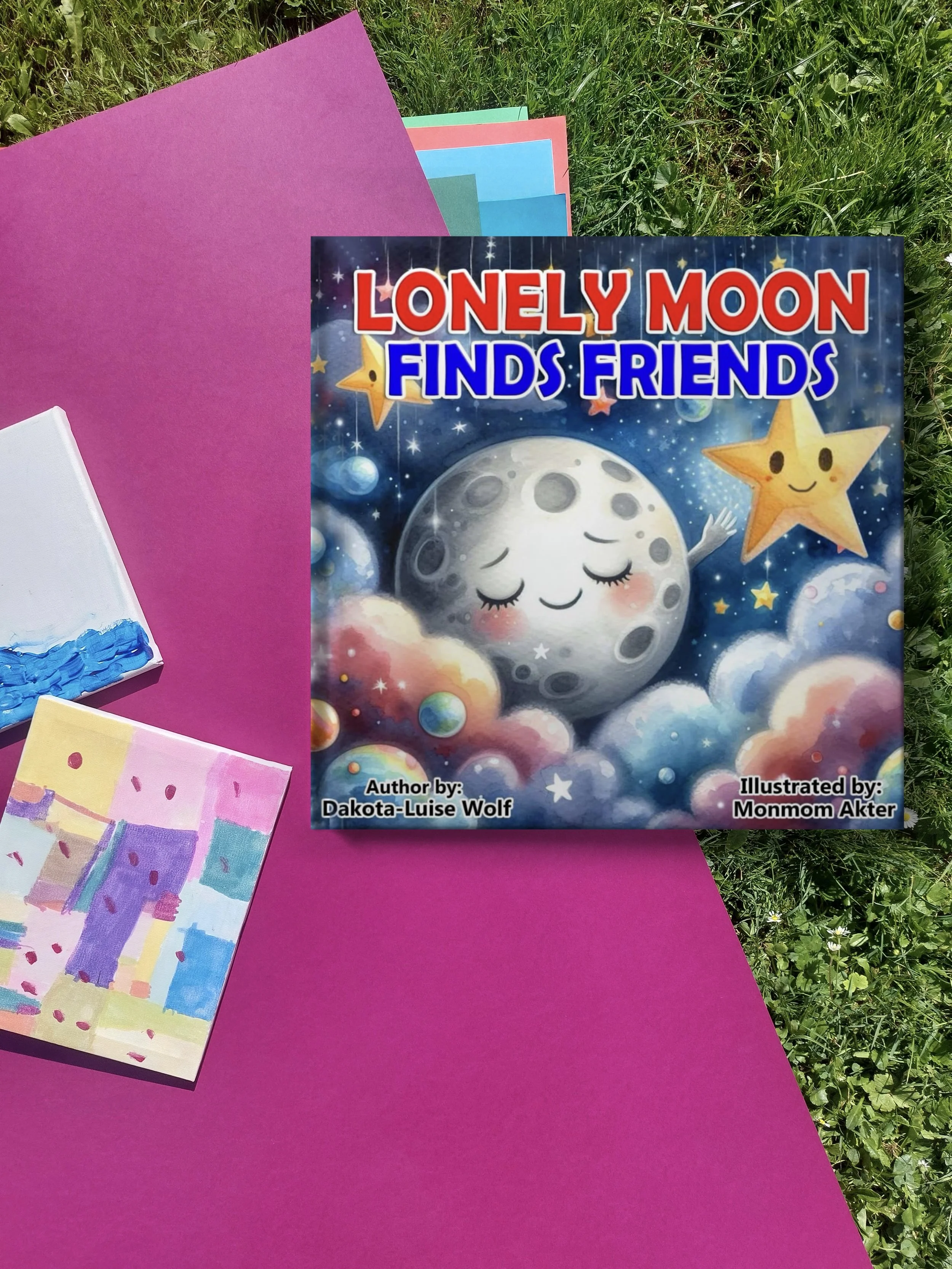
A Gentle Nighttime Story About Finding Connection
Review of Lonely Moon Finds Friends by Dakota-Luise Wolf
Lonely Moon Finds Friends is a soft, reassuring picture book that explores loneliness and belonging through the comforting metaphor of the moon. By giving quiet emotions a gentle, relatable form, the story helps children recognize and name feelings of being alone in a safe, approachable way.
The book’s calm tone allows the moon’s loneliness to be acknowledged rather than rushed away. As the moon begins to connect with others, young readers see how friendship can grow through openness and shared moments, offering a hopeful and reassuring message.
With its peaceful nighttime setting and emotionally thoughtful approach, Lonely Moon Finds Friends is well suited for bedtime reading. It’s a gentle reminder that feeling lonely is part of life—and that connection and friendship can always be found.
What unites all of these books is a deep respect for how children actually experience bedtime. Some nights call for quiet reassurance, others for gentle wondering, and some for one last burst of imaginative adventure before sleep finally arrives. These stories don’t demand stillness or silence—they offer permission: permission to think, to dream, to drift.
Whether a child is lying awake, daydreaming, laughing at rhymes, imagining future selves, or traveling to the moon in their sleep, these books meet them where they are. They remind us that dreams—both waking and sleeping—are not distractions from rest, but often the very bridge that leads to it. A well-chosen bedtime book doesn’t just end the day; it softly opens the door to everything that comes next.
If you’re an author or illustrator reading this and value thoughtful, in-depth children’s book reviews, there are several ways you can support the work behind this blog. You’re warmly invited to submit your own book for a feature—reviews are created with care, accuracy, and a deep respect for both the story and the creative process (submit here). Sharing the articles, linking to them from your website or social media, and recommending the blog to fellow creators also makes a meaningful difference. And if you’d like to support this space more directly, you can do so through my Buy Me a Coffee page, which helps me continue reading, reviewing, and highlighting diverse, imaginative children’s books. Every share, submission, and small gesture of support helps keep this creative community growing.