Beyond “Boring”: Why Reading Is an Under-Appreciated Investment in Children’s Thinking, Language Skills, and Imagination
In an era where screens increasingly dominate children’s leisure time, many young people describe reading not as a delightful escape, but as boring, slow, or something adults make them do. Yet, this perception obscures a deeper truth: purposeful engagement with books is one of the most powerful ways children can develop language proficiency, imagination, and critical thinking—the very skills that support academic success and lifelong learning. While screens are immediate and sensory, reading requires active cognitive participation. At its best, reading invites children into worlds of reflection, interpretation, and empathy.
Despite these benefits, recent data show a striking decline in children’s enjoyment of reading for pleasure. Understanding that gap—and identifying practical ways for parents, teachers, and school professionals to close it—is essential to nurturing the next generation of thoughtful, articulate, and creative thinkers.
The State of Children’s Reading: What Surveys Tell Us
Even among young children for whom reading is still relatively common, enjoyment and frequency are at concerning lows.
Declining enjoyment and habits.
Large-scale literacy surveys conducted in recent years paint a concerning picture of children’s attitudes toward reading. According to the National Literacy Trust, only around one-third of children and young people report enjoying reading in their free time—the lowest level recorded since the organization began tracking reading attitudes [1]. This represents a dramatic shift from earlier years, when a clear majority of children described reading as enjoyable.
Younger children, particularly those aged 6–8, are still more likely to read daily and express enjoyment, but even in this age group enthusiasm is declining [1]. As children approach ages 9–10, reading for pleasure drops sharply, often replaced by screen-based entertainment or structured extracurricular activities.
Similar trends have been observed in the United States. Federal data from the National Endowment for the Arts show that daily reading for pleasure among 9-year-olds has fallen significantly over the past decade, with even steeper declines among older children and adolescents [4]. These findings suggest that reading is increasingly framed as an academic requirement rather than a meaningful leisure activity.
Importantly, research also indicates that children who are allowed to choose their own books—and who see reading modeled positively by adults—are far more likely to enjoy reading and engage with it regularly [1][2]. This suggests that children’s disengagement is not inevitable, but strongly influenced by context and adult support.
Why Reading Matters: Cognitive, Linguistic, and Imaginative Benefits
When children engage with books—even when they initially resist—reading offers benefits that are hard to replicate through screen media alone. These benefits span multiple domains.
1. Critical Thinking and Cognitive Engagement
Engaged reading requires more than decoding words. It involves reasoning, inference, comparison, and hypothesis generation—core components of critical thinking. Readers learn to follow complex plots, interpret character motives, and anticipate outcomes based on evidence in the text. Research emphasizes that reading encourages cognitive development and problem-solving abilities by exposing readers to concepts, logical relationships, and perspectives that require analysis.
Reading encourages children to analyze information, identify cause-and-effect relationships, and infer meaning beyond what is explicitly stated. Research consistently links regular reading with improved reasoning, problem-solving, and higher-order thinking skills [5]. When children follow a narrative, they predict outcomes, evaluate characters’ decisions, and adjust their understanding as new information emerges—core processes of critical thinking.
2. Language Skills and Communication
Reading is a primary mechanism for vocabulary expansion and language acquisition. Children exposed regularly to books encounter a wider range of words and grammatical structures than they typically hear in everyday conversation alone. Research shows that children who are read to from infancy develop stronger vocabulary comprehension and are better prepared for formal reading instruction later on [3].
Even in later childhood, reading improves writing and speaking skills because it embeds language patterns and enriches expressive ability. Reading stretches a child’s linguistic repertoire, supporting comprehension, fluency, and verbal expression.
3. Imagination and Empathy
Unlike visual media, books require readers to generate mental images of characters, settings, and events. This imaginative effort engages brain networks connected with creativity, perspective-taking, and narrative construction. Studies show links between reading, creativity, and cognitive flexibility—an ability to entertain multiple ideas, consider possibilities, and form new connections [5].
Additionally, reading fiction fosters empathy by encouraging readers to inhabit the mental worlds of characters different from themselves. This experiential simulation of varied thoughts and emotions strengthens social understanding and emotional intelligence.
4. Concentration and Attention Regulation
Sustained reading practice trains attention. Children who read regularly learn to focus for longer intervals, organize information in memory, and resist distraction. These skills are foundational for academic tasks and later professional demands—and they are increasingly hard to cultivate in a distraction-rich digital environment.
Why Reading Has Become Under-Appreciated
The issue is not that books have lost their value, but that reading is often presented in ways that obscure its benefits. When reading is framed primarily as a school task, measured by speed or level, children may associate it with pressure rather than pleasure. Research shows that children who experience reading mainly as an evaluated activity are less likely to read voluntarily [1].
Additionally, reading competes with highly stimulating digital content that provides immediate rewards. Compared to this, books require patience and imagination—skills that must be nurtured rather than assumed.
Five Practical Actions to Help Children Enjoy Reading
To shift reading from “boring” to compelling, purposeful practice and encouragement from adults are essential. Below are five evidence-informed actions parents, caregivers, and school professionals can take.
1. Offer Choice and Personal Relevance
Children are more engaged when they have autonomy in what they read. Let them explore genres that interest them—comic books, graphic novels, poetry, factual books about hobbies, even interactive or game-tie-in titles. Research on reading motivation shows that children who feel they can choose reading materials are significantly more likely to read for pleasure [1].
What to do: Create a diverse classroom or home library with varied topics and formats. Invite children to recommend books to each other and help curate reading spaces.
2. Read Together Frequently and Enthusiastically
Shared reading—whether at bedtime, in small groups, or as part of a literacy block—supports language development and builds positive associations with books [3]. Conversational back-and-forth during shared reading (e.g., asking questions about pictures, making predictions) deepens engagement and supports thinking skills.
What to do: Dedicate regular time to reading together. Ask open-ended questions (e.g., “What might happen next?” or “Why do you think that character did that?”).
3. Connect Books to Life, Interests, and Projects
Reading feels less abstract when it relates to children’s actual lives. Linking books to hobbies, social themes, or classroom projects makes the content relevant and actionable.
What to do: After reading, ask children to relate what they’ve read to personal experiences, to draw a scene from the book, or to write their own alternate ending.
4. Celebrate Reading in Community Contexts
Schools and families can make books visible and social. Reading clubs, book swaps, student book talks, library visits, and public reading walls transform reading from private task to social practice.
What to do: Organize themed reading weeks, author visits (in person or virtual), and peer-led book recommendations. Encourage families to share book reviews with each other.
5. Model Reading as a Valued, Lifelong Activity
Children emulate adult behaviors. When they see adults reading with pleasure—not just for functional tasks—they are more likely to value reading themselves. Research shows that children are significantly more likely to enjoy reading when their parents or carers do [5].
What to do: Share your own reading experiences with children. Keep books visible at home or in classrooms. Talk casually about what you’re reading and why you enjoy it.
Six Books to Help Make Reading Feel Alive
Below are six books—each chosen for its ability to engage imagination, spark curiosity, and make reading feel dynamic rather than dull. These include a combination of playful, thought-provoking, and interactive books suitable for ages roughly 6–10.
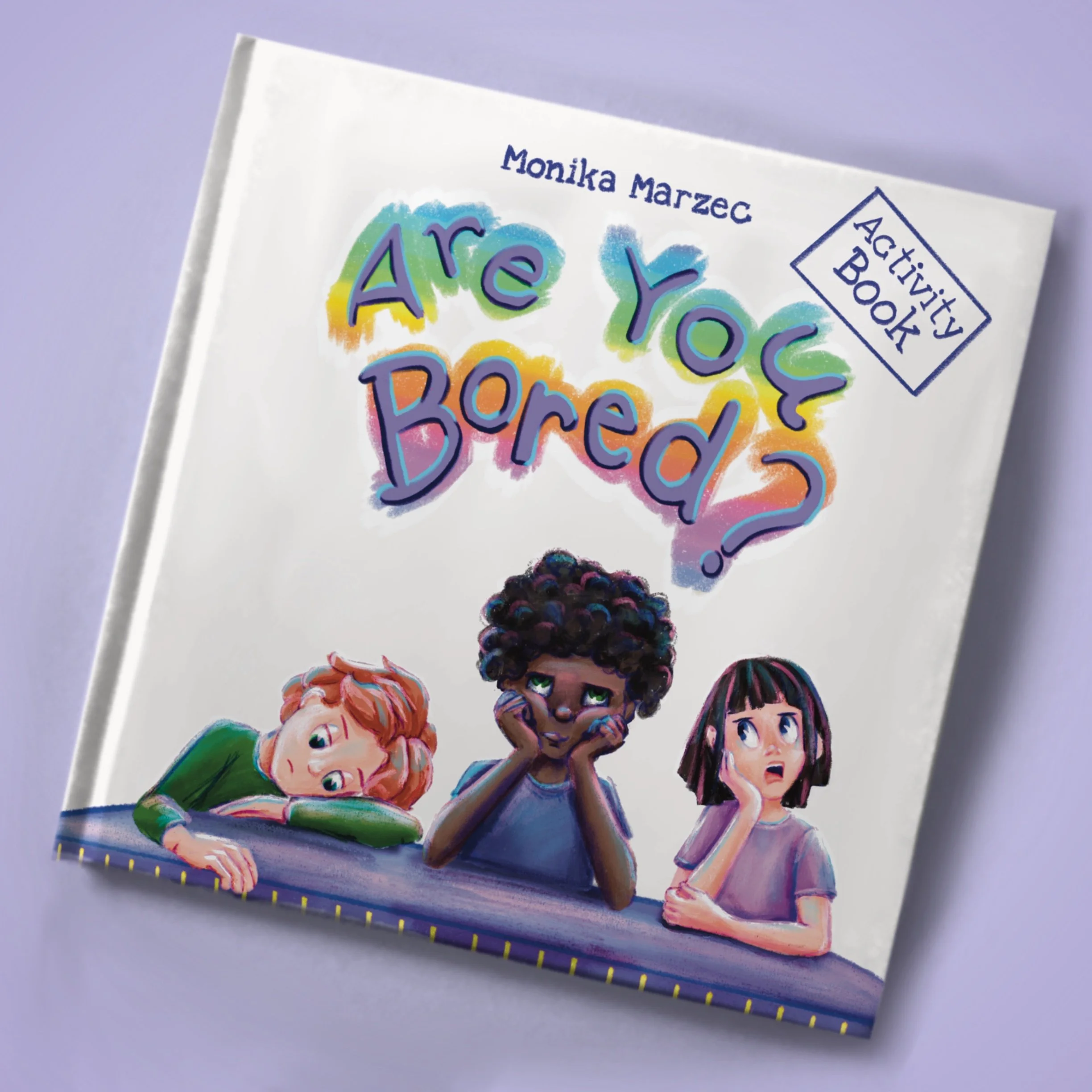
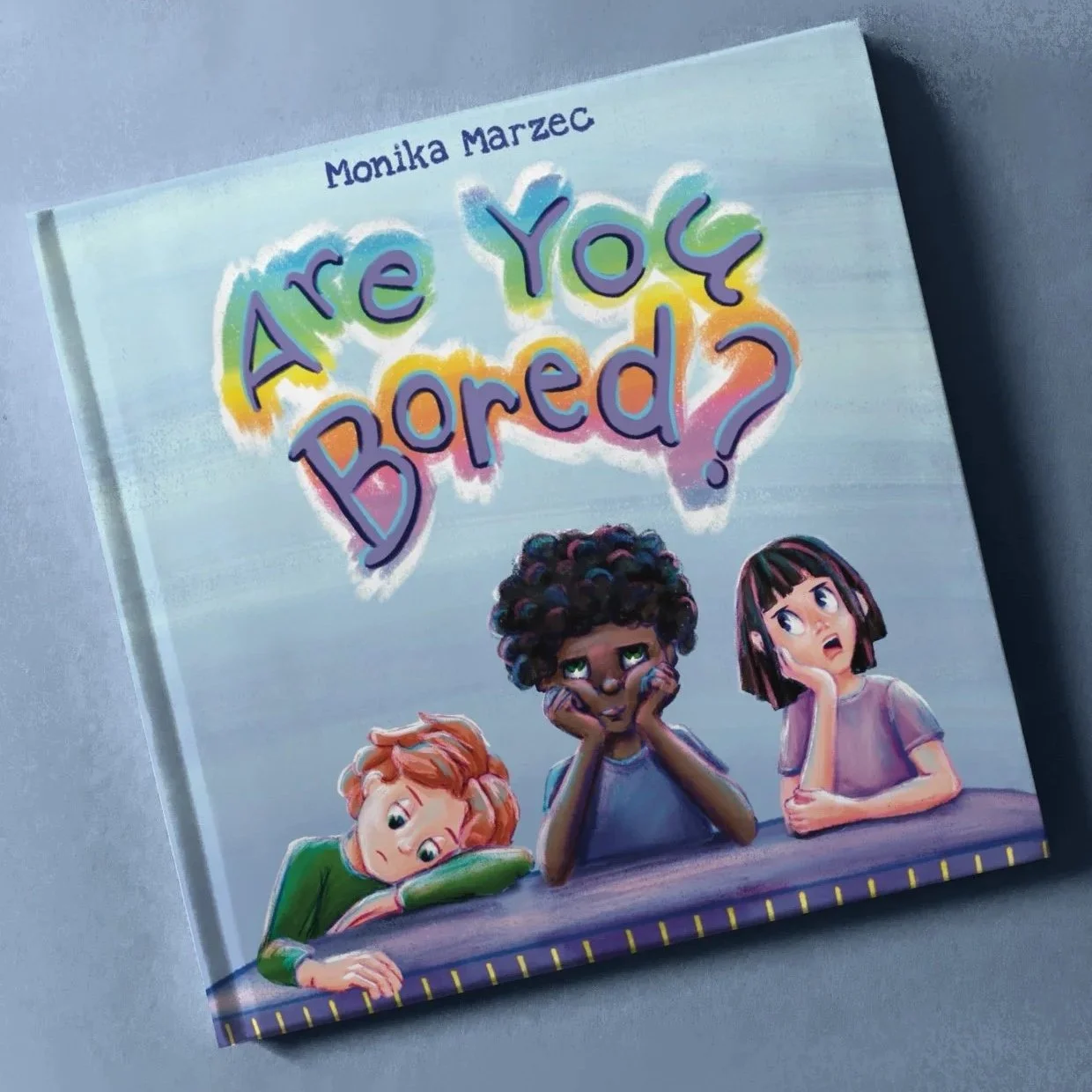
1. Are You Bored? book and 2. Are You Bored? activity book by Monika Marzec
This title is designed to meet children where they are, acknowledging boredom and gradually inviting readers toward curiosity and fun. It reframes the experience of picking up a book as an opportunity to explore ideas, play with concepts, and tap into imagination rather than a task to complete.
A companion to the main title, the activity book offers playful challenges—drawing prompts, thought questions, and creative tasks—that reinforce reading as an interactive and self-directed experience.
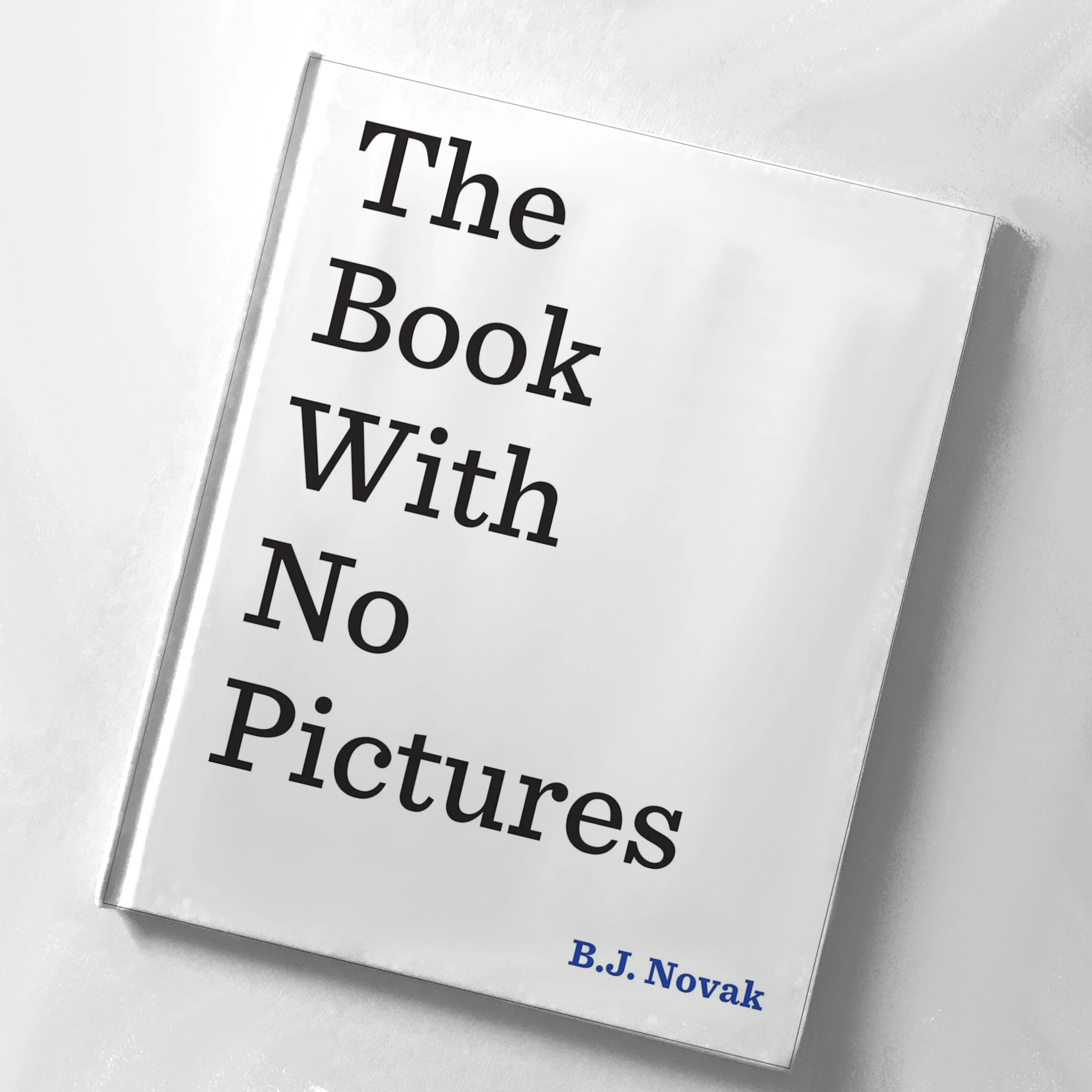
3. The Book with No Pictures by B. J. Novak
This deceptively simple book turns reading into performance and humor, reminding children that language itself can be playful and engaging.
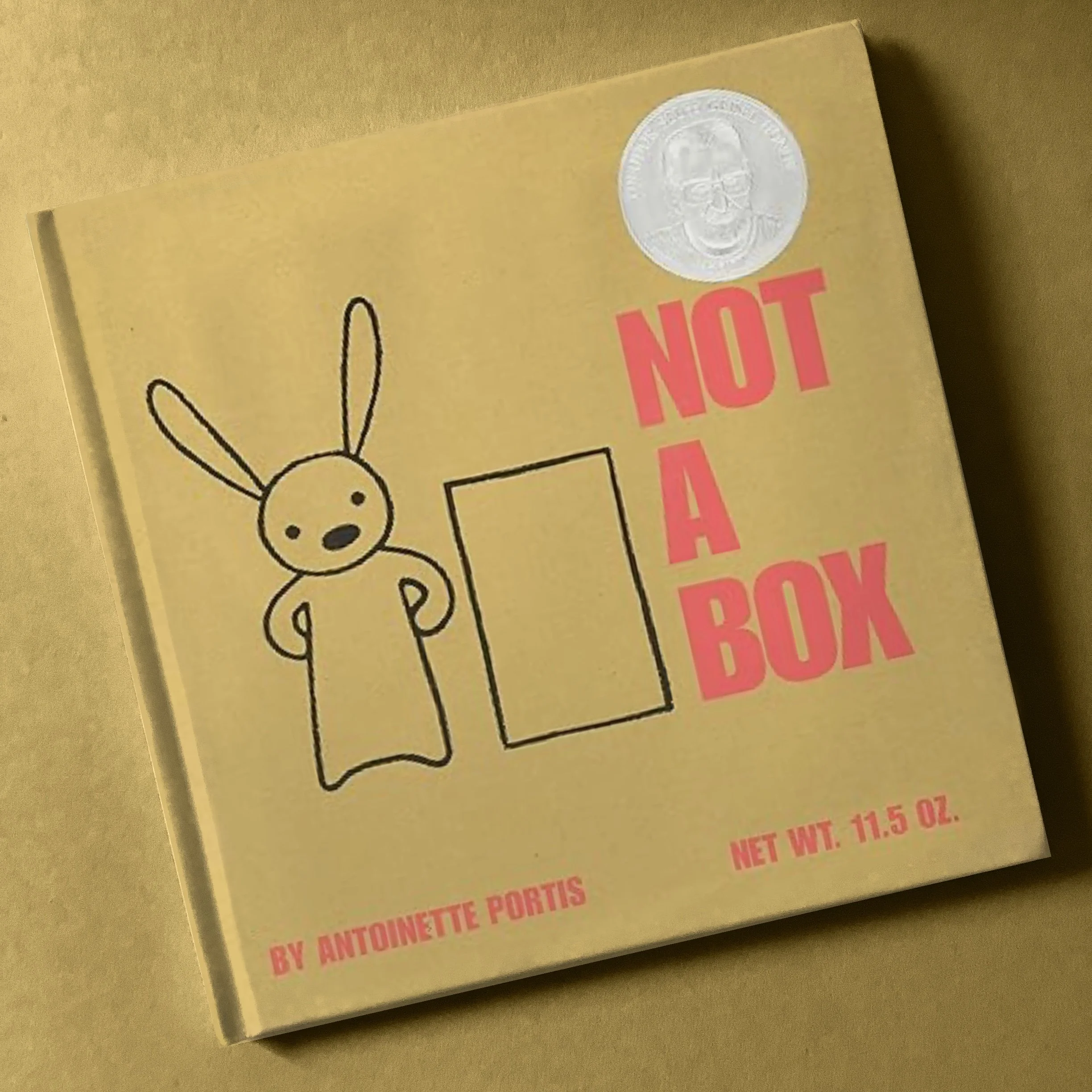
4. Not a Box by Antoinette Portis
A book that celebrates imagination and reinterpretation. It encourages readers to see possibilities beyond the literal—an excellent entrée into creative thinking.
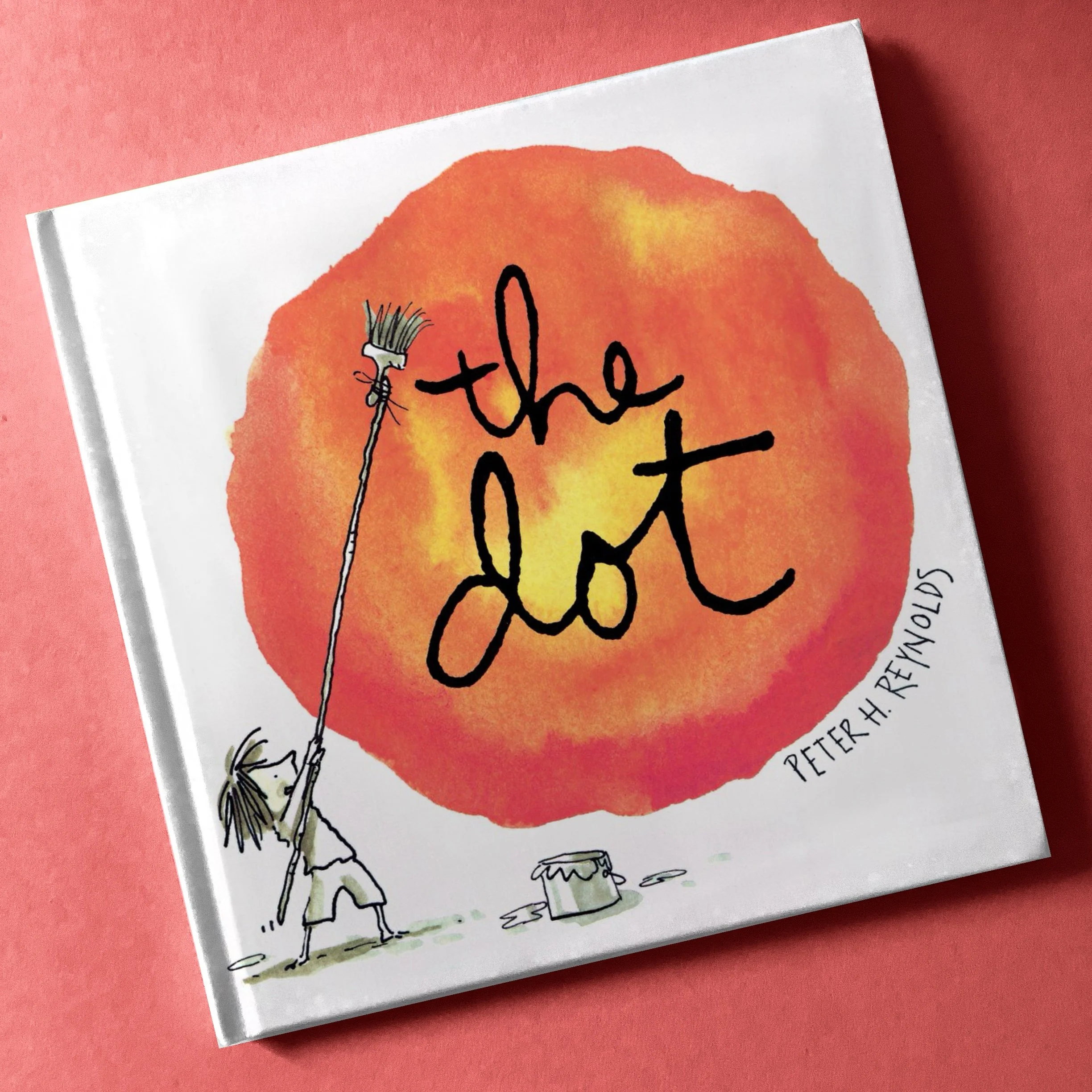
5. The Dot by Peter H. Reynolds
A story about self-belief and creative confidence. It invites children to think about process, identity, and expression, making reading both reflective and empowering.
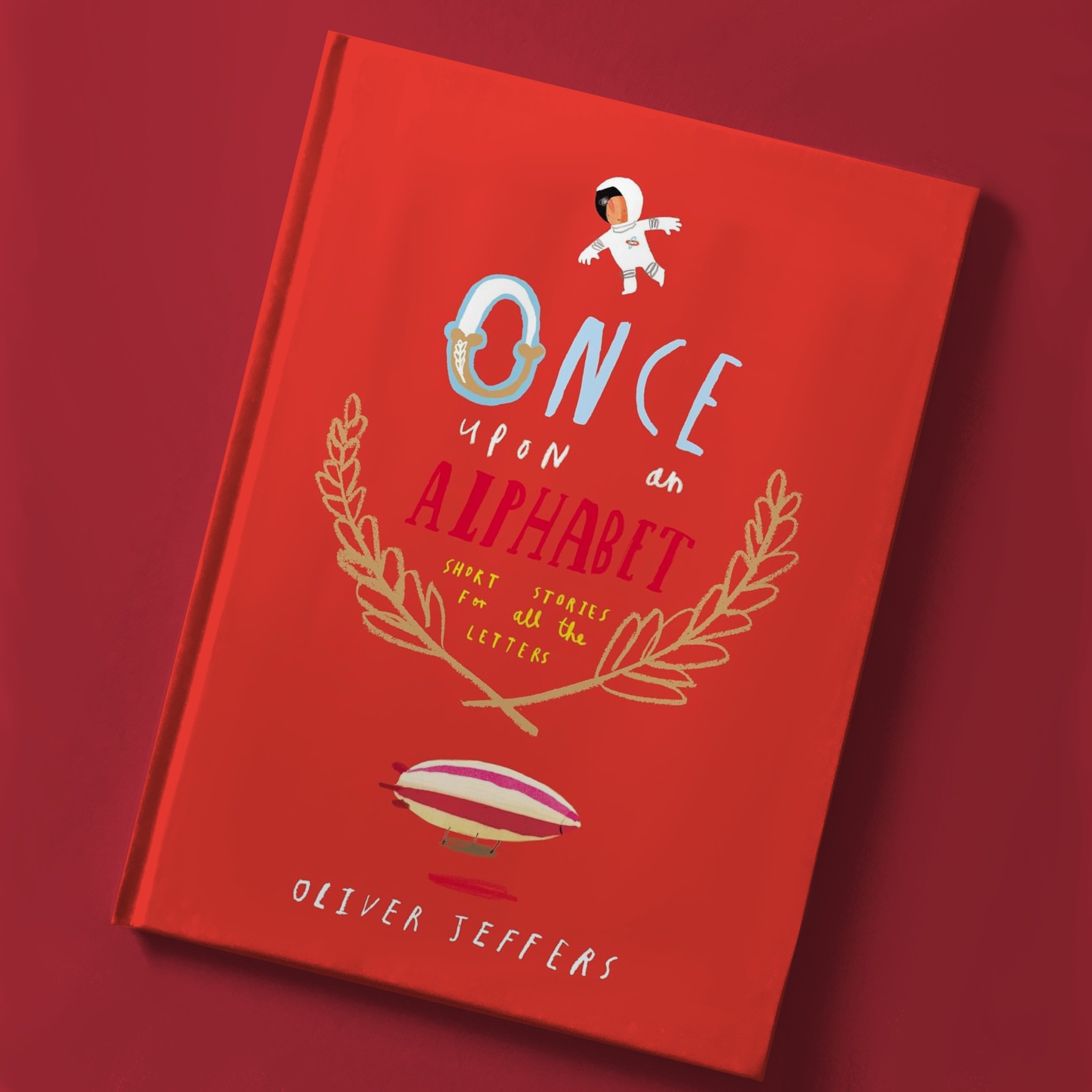
6. Once Upon an Alphabet by Oliver Jeffers
A whimsical, imaginative romp through the alphabet that encourages pattern recognition, humor, and inventive thinking.
Conclusion: Reading as a Gateway to Thinking, Language, and Imagination
Reading will never compete with screens on immediacy—but that is precisely what makes it irreplaceable. Because reading requires thought, decision-making, internal visualization, and interpretation, it builds cognitive muscles that are rare in passive media consumption.
Children who read for pleasure—even just 15 minutes a day—develop language skills, expand their understanding of the world, and exercise mental habits that support critical thinking and emotional intelligence. With intentional support from adults—through choice, shared experiences, and relevant connections—reading can become an activity that children value, enjoy, and use as a tool for lifelong thinking and learning.
Reading is not an outdated or secondary activity—it is a foundational tool for thinking, communication, and imagination. Research clearly shows that children’s declining engagement with reading is not due to lack of capacity, but to how reading is positioned in their lives [1][4].
With intentional support from parents, educators, and school professionals—through choice, shared experiences, and positive modeling—reading can reclaim its place as a valuable, enjoyable way for children to spend time. In doing so, it supports not only literacy, but the development of thoughtful, curious, and resilient minds.
In a culture rich with information but poor in attention, reading offers children space—a space to imagine, analyze, and grow.
What to read next…
The following resources offer research-based insights into why reading matters, how children experience reading today, and what helps foster motivation, language development, imagination, and critical thinking—particularly for children aged 6–10.
• National Literacy Trust reports provide up-to-date data on children’s reading enjoyment, frequency, and attitudes, highlighting long-term trends and factors that positively influence reading engagement [1].
• BookTrust research explores the strong connection between adult reading habits and children’s enjoyment of books, showing that children are significantly more likely to enjoy reading when they see adults reading for pleasure [2].
• The Child Mind Institute offers accessible explanations of how shared reading supports vocabulary growth, emotional regulation, attention, and cognitive development in early and middle childhood [3]
• National Endowment for the Arts analyses track long-term declines in reading for pleasure among children in the United States, emphasizing the growing importance of intentional reading support in schools and homes [4].
• Academic research published via PubMed Central and ResearchGate examines the relationship between reading, creativity, and critical thinking, demonstrating how sustained engagement with books strengthens higher-order cognitive skills [5].
Bibliography
1. National Literacy Trust. (2025). Children and young people’s reading in 2025.
2. BookTrust. (2022). Children are 40% more likely to enjoy reading if their parents or carers do.
3. Child Mind Institute. (n.d.). Why is it important to read to your child?
4. National Endowment for the Arts. (2024). Federal data on reading for pleasure.
5. PubMed Central & ResearchGate. (2022–2023). Research on reading, creativity, and critical
thinking