Small Creatures, Big Lessons
Thoughtful Picture Books About Growth, Belonging, and Emotional Courage
Some of the most powerful picture books tell their stories quietly. Instead of fast-paced plots or grand spectacles, they focus on inner change — the kind that happens when a character learns to slow down, reflect, or see the world a little differently.
The books in this collection are united by their gentle protagonists: snails, ants, bees, and bugs navigating experiences that feel deeply familiar to young readers. These stories explore perseverance, self-acceptance, kindness, courage, and belonging through small, meaningful moments. They respect children’s emotional intelligence and invite conversation rather than instruction.
As a children’s book reviewer and illustrator, I’m especially drawn to stories that balance emotional depth with warmth and accessibility. Each of the reviews below highlights picture books that do just that — offering thoughtful messages, strong developmental value, and illustrations that actively support the storytelling.
Moving Forward — and Finding Humor Along the Way
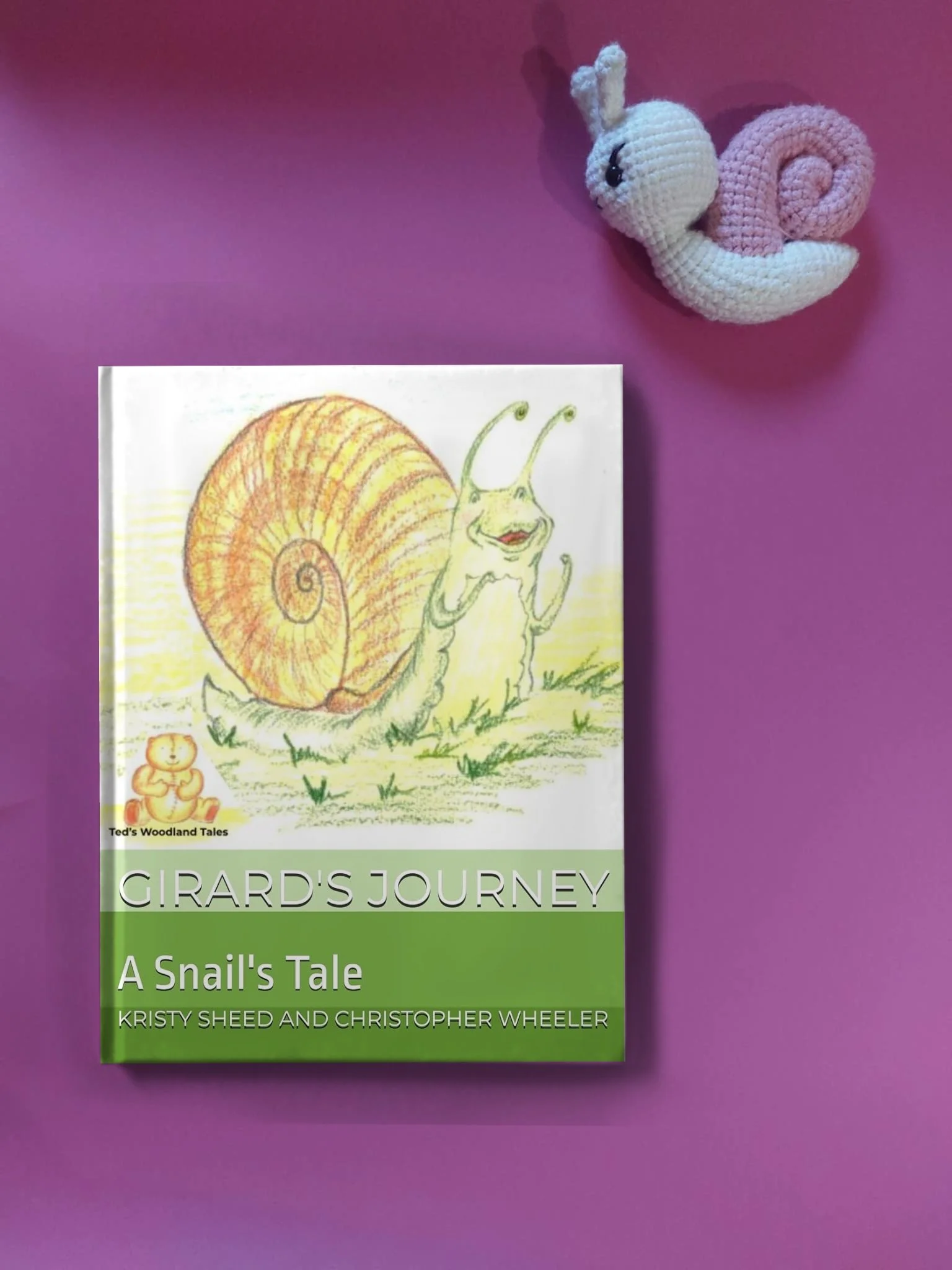
Girard’s Journey: A Snail’s Tale by Kristy Sheed and Christopher Wheeler is a gentle, reassuring story about perseverance, self-awareness, and moving at your own pace. Girard the snail sets out on a journey that feels daunting and slow, especially when compared to the speed and confidence of others around him. Rather than turning the story into a race, the narrative focuses on Girard’s steady determination and the quiet resolve it takes to keep going when progress feels small.
From a child-development perspective, the book thoughtfully supports confidence-building and emotional resilience. Girard’s experience validates feelings of frustration and self-doubt while gently reminding young readers that effort and persistence matter. Children are encouraged to reflect on comparison, patience, and trusting themselves — important foundations for a healthy growth mindset. The story never rushes this lesson, allowing it to unfold naturally through Girard’s experience.
What makes the book especially memorable is how it closes with a light, humorous touch. Without undermining the emotional journey, the ending offers a clever reminder that reframes Girard’s adventure and invites a smile — particularly for adult readers sharing the story aloud. This moment adds warmth and playfulness, reinforcing the message while keeping the tone accessible and joyful. The hand-drawn illustrations support this balance beautifully, using soft lines, natural textures, and gentle expressions to mirror both the sincerity and humor of Girard’s journey.
Discovering What Truly Makes You Unique
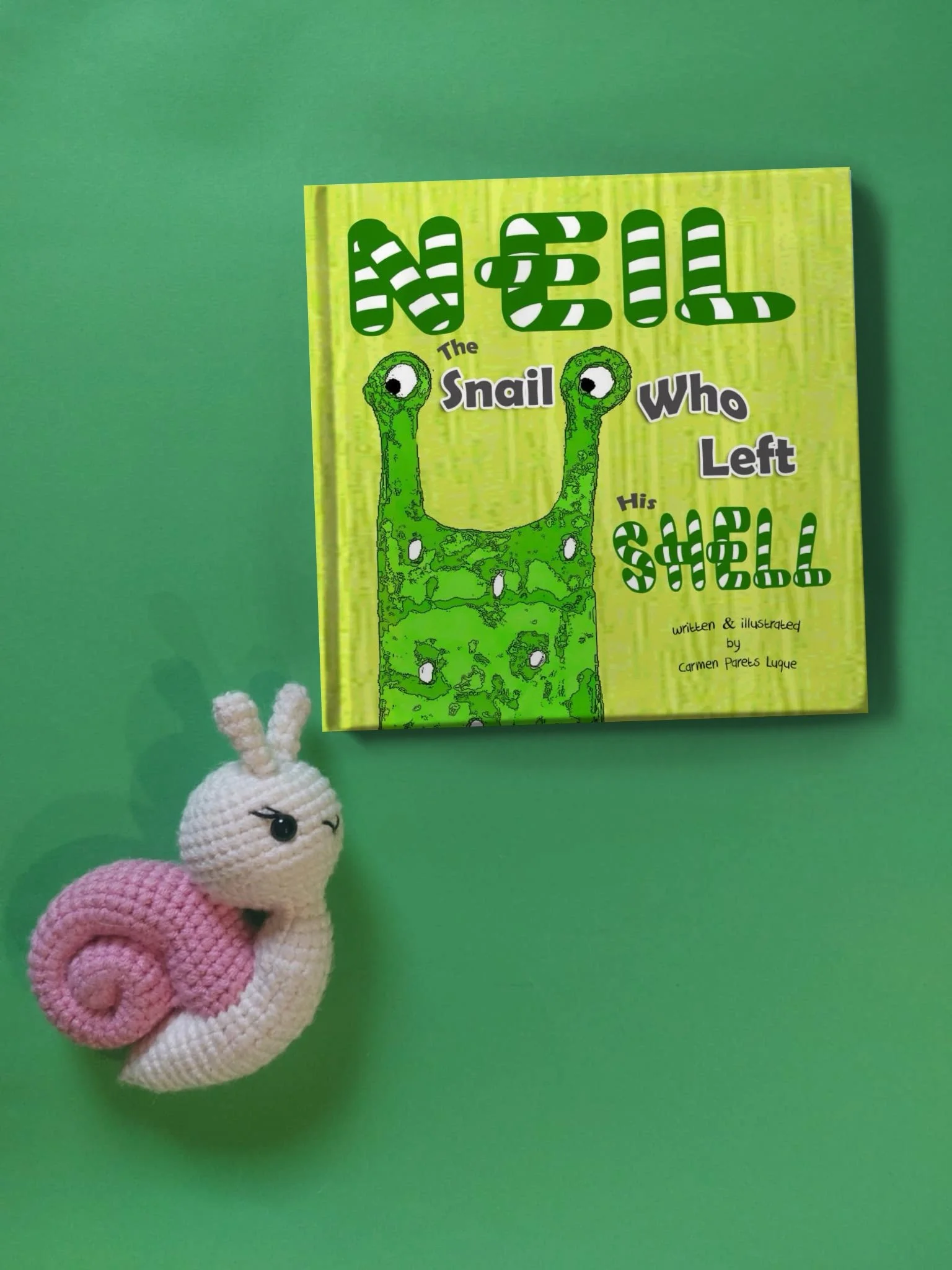
Neil The Snail Who Left His Shell by Carmen Parets Luque tells a thoughtful story about identity, belonging, and self-acceptance. Neil is a snail who longs to be different and feel special, believing that leaving his shell will help him discover who he truly is. Setting off in search of a new home, he explores other possibilities, convinced that uniqueness must be found somewhere else.
As Neil tries out these new “homes,” the story gently shows that not everything that looks exciting or different is truly right. Each attempt leaves him uncomfortable or unsatisfied, helping young readers understand that experimenting and making mistakes is part of learning. Developmentally, the book supports emotional growth by addressing comparison, self-worth, and the pressure children often feel to be different in order to matter. Neil’s journey reassures readers that it’s okay to question who you are — and equally important to reflect on what already brings you comfort and stability.
When Neil returns to his shell, the message becomes clear and deeply reassuring: uniqueness doesn’t come from rejecting where you belong, but from appreciating it. Home, safety, and identity are shown as strengths rather than limitations. The illustrations support this realization with warmth and clarity, emphasizing Neil’s emotional shift rather than dramatic action. Together, the story and artwork create a calm, reflective picture book that helps children value themselves, their roots, and what truly makes them who they are.
Small Actions, Lasting Impact
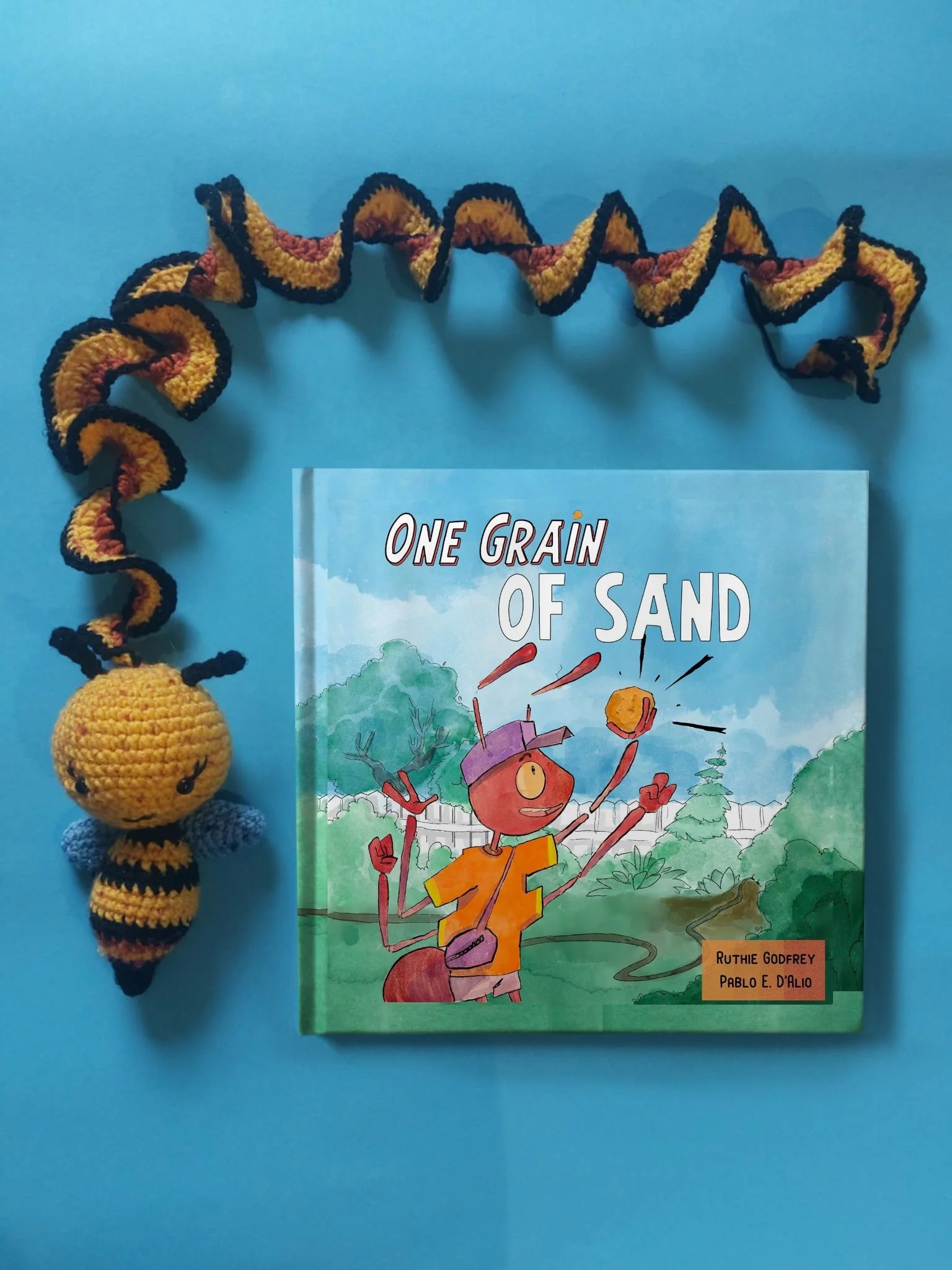
One Grain of Sand by Ruthie Godfrey is a thoughtful picture book that explores how even the smallest actions can matter. Centered on the idea that change doesn’t always arrive in big, dramatic moments, the story gently shows how one small contribution can ripple outward. The narrative invites young readers to notice their own ability to help, contribute, and make a difference — even when their efforts feel modest.
From a child-development perspective, the book supports early concepts of responsibility, agency, and empathy. It encourages children to see themselves as capable participants in the world around them, reinforcing the idea that kindness, care, and effort all count. This message is especially valuable for young readers who may feel small in comparison to the problems they notice, helping them build confidence and a sense of purpose without pressure or overwhelm.
The comic-style illustrations add a distinctive layer to the storytelling. The expressive panels, clear sequencing, and playful visual rhythm guide readers smoothly through the story, making abstract ideas easier to grasp. This format not only keeps children engaged but also supports visual literacy, helping them understand how images and text work together to communicate meaning. The illustrations don’t simply decorate the story — they actively move it forward, reinforcing the theme that small elements, when combined, can create something powerful.
Humility, Kindness, and Seeing Beyond First Impressions
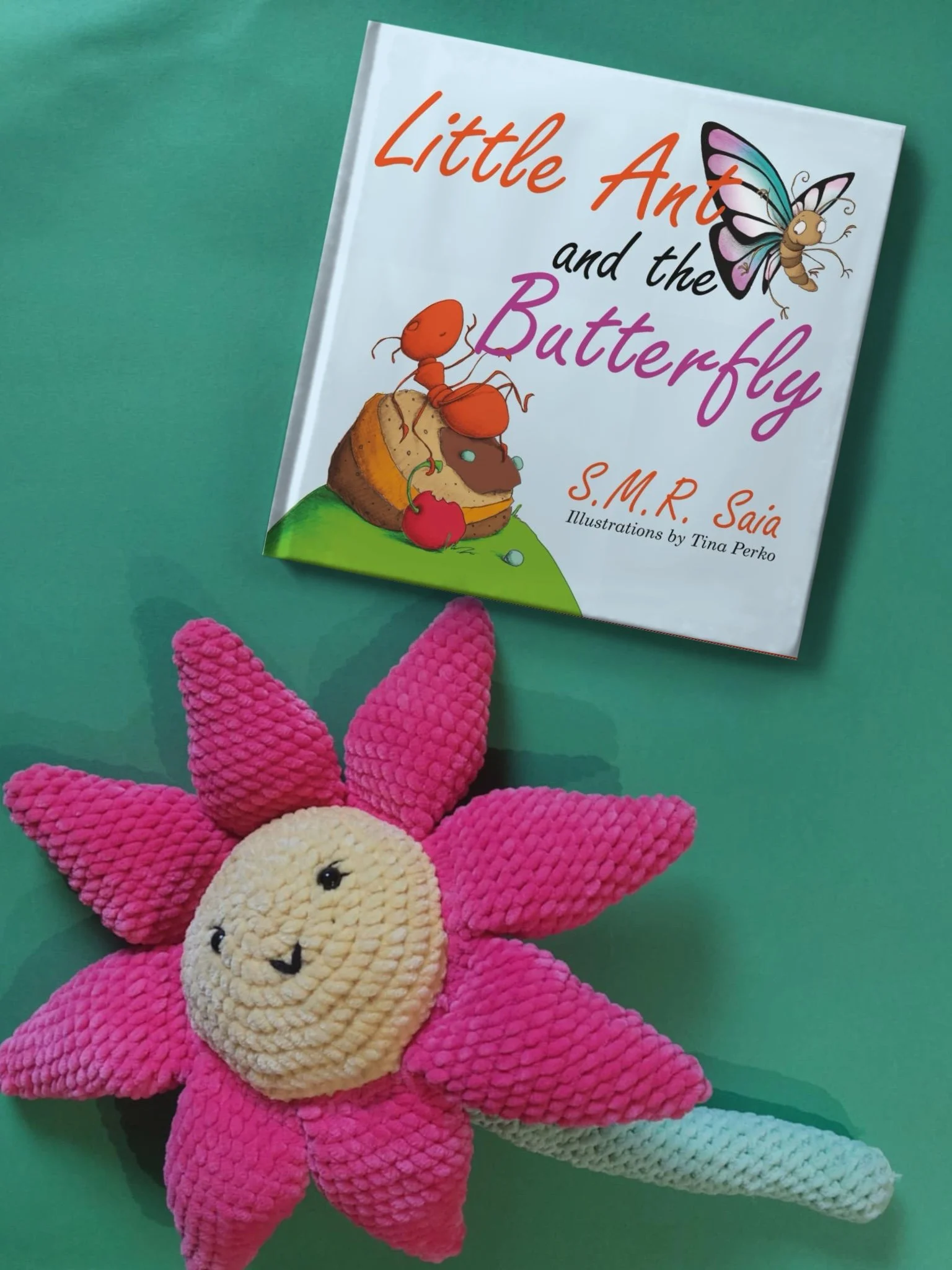
Little Ant and the Butterfly by S. M. R. Saia is a story that teaches humility. Little Ant is full of confidence — certain that he understands the world and his place in it. When he encounters the Catepillar, his quick judgments and sharp words reveal how easy it is to misunderstand others when we rely only on what we see on the surface. His emotional shift from pride to humility is what quietly carries the story forward.
Rather than correcting Little Ant through external punishment, the story allows him to learn through experience and reflection. This makes his growth feel genuine and accessible for young readers, who often recognize themselves in characters who act before thinking. The book gently models emotional maturity as something that develops, not something we are born with.
The illustrations soften the moral without dulling it, using lightness and warmth to hold space for both mistake and learning. It’s a thoughtful picture book that invites children not only to listen, but to consider how their own words and assumptions affect others.
Learning to Share Space, Food, and Feelings
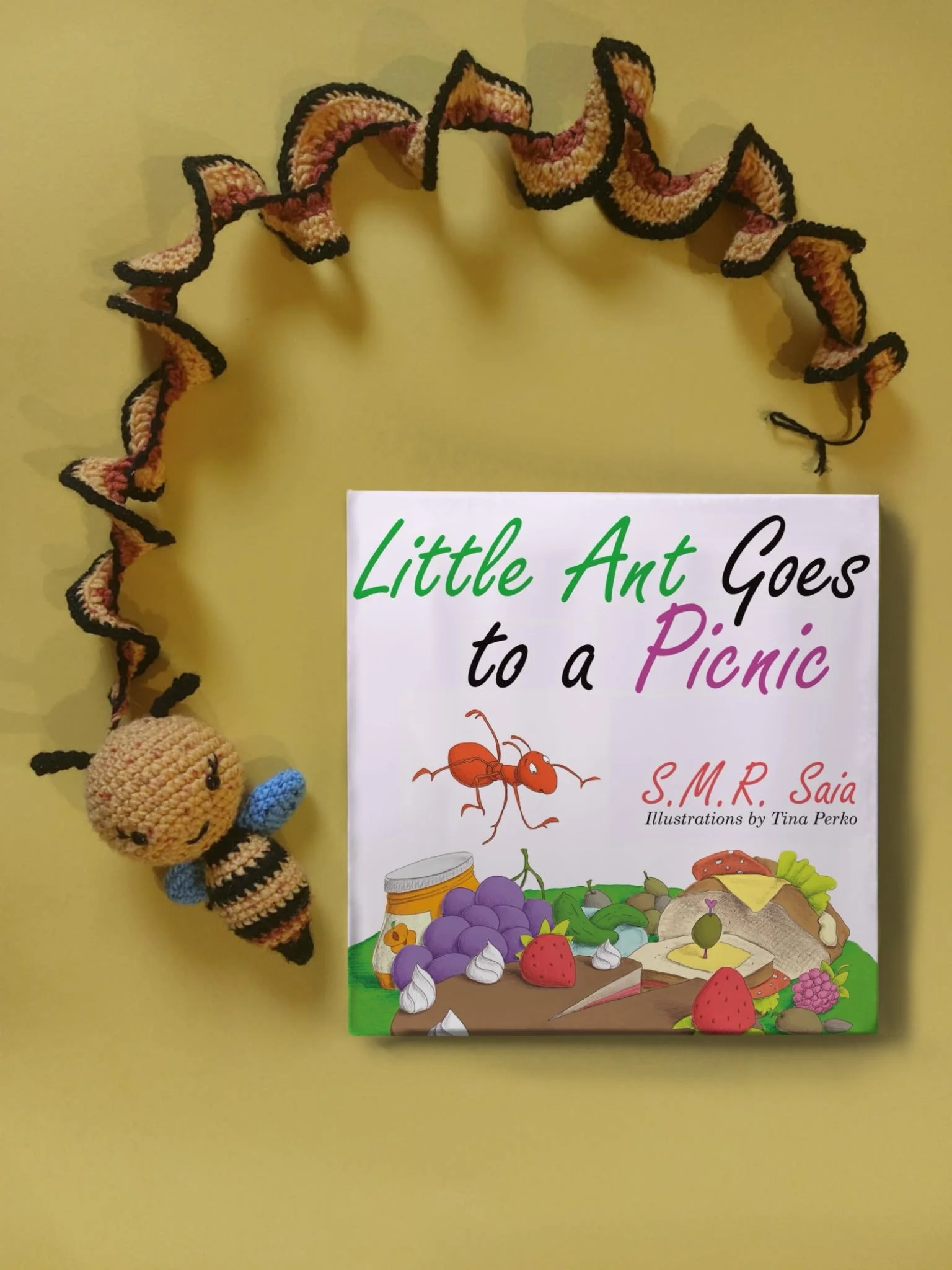
Little Ant Goes to a Picnic by S. M. R. Saia is a light, engaging story that follows Little Ant as he ventures out to a picnic full of tempting sights, smells, and unexpected challenges. Confident and eager, Little Ant approaches the experience with his usual certainty — but the busy picnic setting quickly becomes a place where things don’t go exactly as planned. Through this familiar scenario, the story gently explores how interacting with others can be more complicated than it first appears.
From a child-development perspective, the book supports social-emotional learning by addressing cooperation, patience, and awareness of others. As Little Ant navigates shared space and resources, young readers are invited to reflect on boundaries, fairness, and how individual actions affect a group. The picnic setting makes these lessons especially relatable for children, offering natural opportunities for discussion about sharing, problem-solving, and adjusting one’s behavior when situations change.
Tina Perko’s illustrations add warmth and clarity to the story. Her expressive characters and lively compositions bring the picnic scene to life, helping children easily follow the emotional beats of the narrative. Small visual details enhance the storytelling, guiding young readers through moments of excitement, tension, and resolution. The artwork works seamlessly with the text, making Little Ant Goes to a Picnic an approachable and meaningful read that balances fun with gentle reflection.
Learning to Listen to Yourself
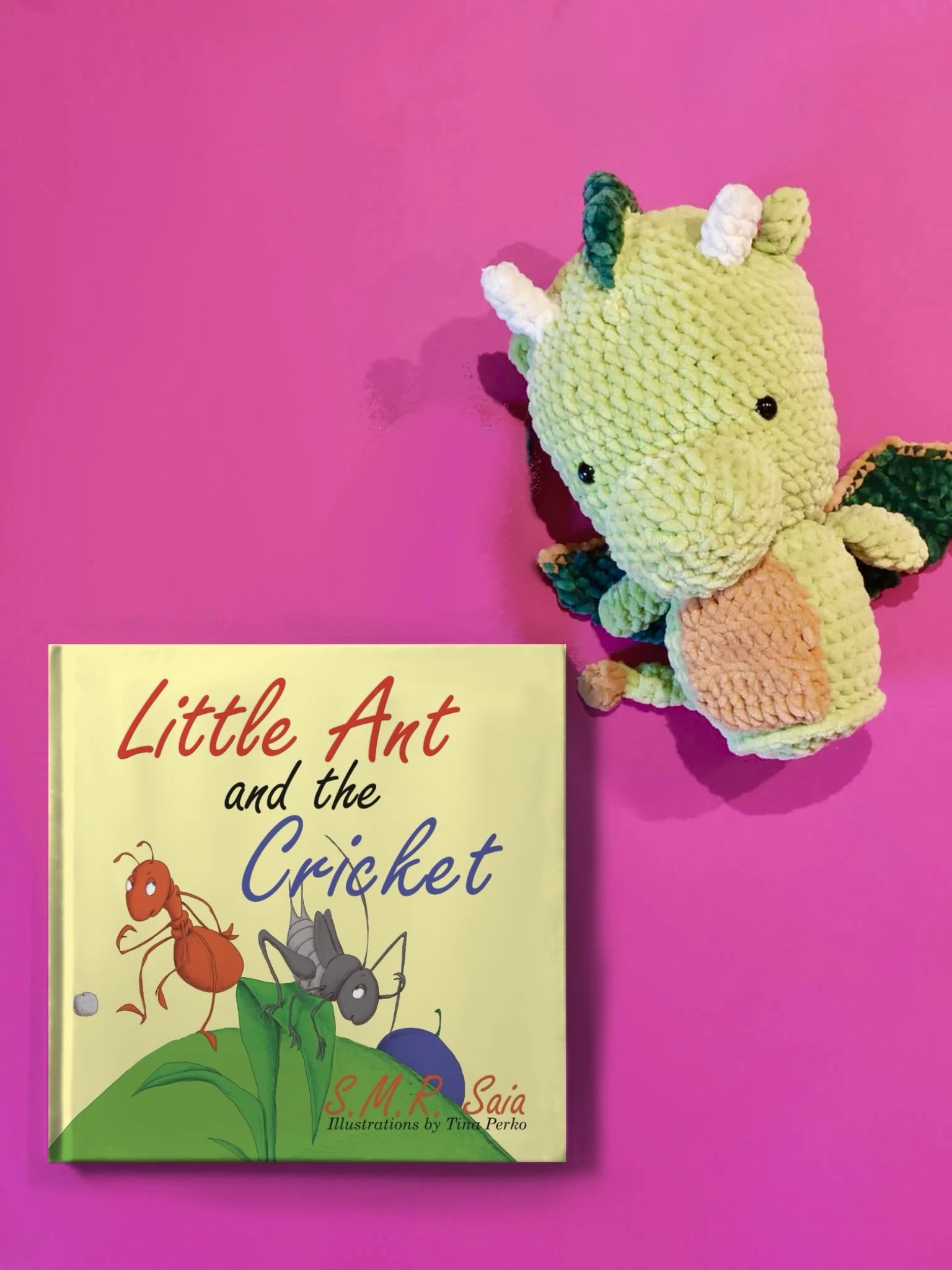
Little Ant and the Cricket: You Can’t Please Everyone by S. M. R. Saia is a thoughtful picture book that explores a challenge many children recognize early on: trying to make everyone happy. In this story, Little Ant encounters the Cricket and quickly finds himself adjusting his behavior in an effort to please others. What begins as good intention slowly turns into confusion and frustration as Little Ant realizes that meeting everyone’s expectations is impossible.
The book offers strong developmental value by addressing boundaries, self-awareness, and emotional honesty. Young readers are gently guided to understand that constantly changing oneself for others can lead to feeling lost or unhappy. The story validates children’s desire for approval while reassuring them that it’s okay to say no, make choices, and stay true to themselves. This makes the book especially useful for conversations about confidence, peer pressure, and learning whose opinions truly matter.
The illustrations support the message with clarity and expressive simplicity. Character emotions are easy to read, helping children follow Little Ant’s growing discomfort and eventual realization. The visual pacing mirrors the emotional arc of the story, making the lesson accessible without feeling heavy-handed. Together, text and illustrations create a calm, reflective reading experience that encourages self-trust and emotional balance.
When Love Softens the Sharp Edges
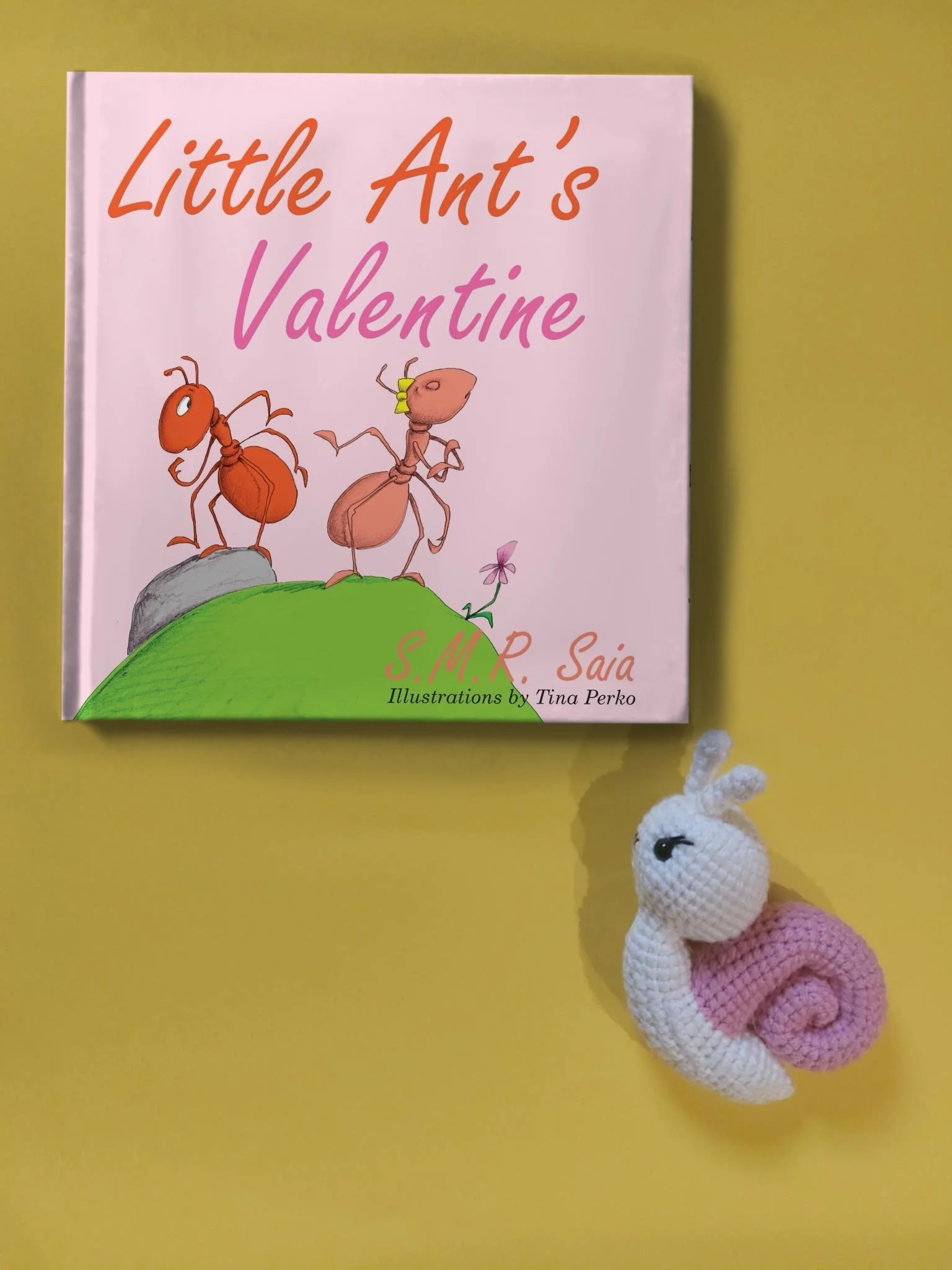
In Little Ant’s Valentine by S. M. R. Saia (illustrated by Tina Perko), Little Ant starts the holiday in the worst mood possible — he hates Valentine’s Day. In his anthill, none of the girl ants like him, and that stings more than he wants to admit. When he meets a “pretty ant,” he expects more of the same… until he realizes she has her own prickly, unfriendly side too — a reflection that quietly challenges the way he’s been acting.
What makes this story work so well for children is how it frames emotional growth without turning it into a lecture. Little Ant doesn’t magically become perfect, and neither does anyone else. Instead, the book guides young readers toward a very real-life lesson: kindness can be learned, hearts can soften, and connection often begins when we stop demanding perfection — from others and from ourselves. It’s a strong social-emotional read for conversations about empathy, making amends, and how love (in the broader sense of care and warmth) can change behavior.
Tina Perko’s illustrations support this message with a sweet simplicity that fits the tone. On the cover, the soft pink background and gentle, uncluttered setting keep the focus on the two ants’ body language — Little Ant’s grumpy posture contrasted with the poised “pretty ant,” complete with a small bow detail that signals personality right away. The clean shapes and light texture make the characters easy to read emotionally, which helps younger children follow the shift from rejection and irritation toward understanding.
Courage Can Be Bigger Than Fear
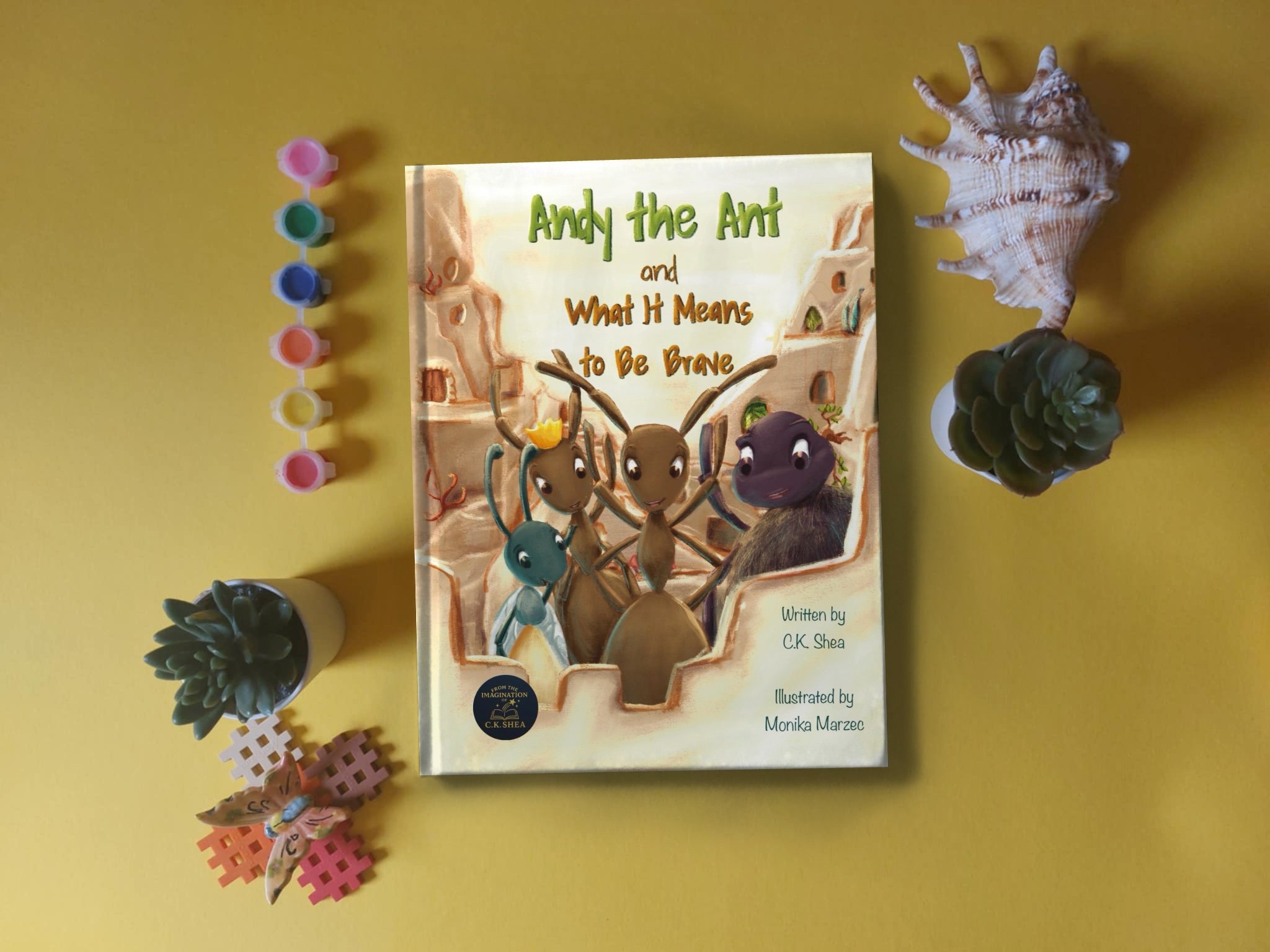
Andy the Ant and What It Means to Be Brave by C. K. Shea is a thoughtful picture book that redefines bravery through a small hero facing a very large world. Andy is an ant navigating spaces built for humans — towering furniture, wide floors, and obstacles that feel enormous from his point of view. The story carefully uses this contrast in scale to show how challenges that may seem ordinary to others can feel overwhelming when you are small, unsure, or facing something for the first time.
From a child-development perspective, the book offers a valuable message about courage and emotional honesty. Andy is not fearless, and that is precisely what makes his journey meaningful. The story helps children understand that bravery isn’t about size, strength, or confidence, but about taking steps forward despite fear. This makes the book especially supportive for children dealing with anxiety, new experiences, or moments when they feel small in a big world. Andy’s perspective reassures young readers that their fears are valid — and that courage can still grow alongside them.
The illustrations play a crucial role in reinforcing this message through scale and composition. By emphasizing the vastness of the human environment compared to Andy’s tiny size, the artwork visually amplifies the emotional stakes of his journey. Everyday objects become towering challenges, helping children see what bravery feels like from Andy’s point of view. This visual storytelling deepens the emotional impact of the narrative, making Andy’s courage feel earned, relatable, and quietly powerful.
When Kindness Reveals True Strength
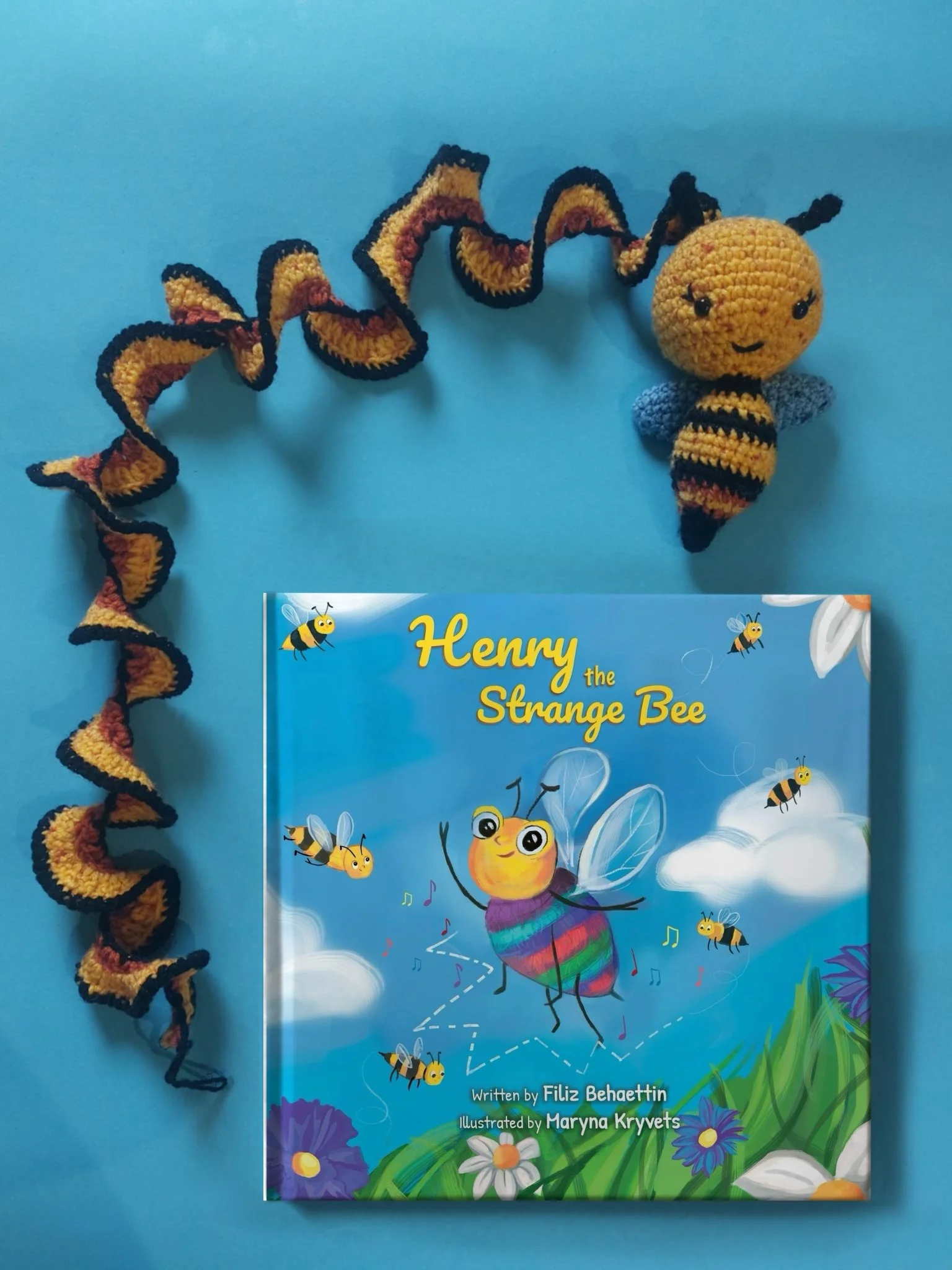
Henry the Strange Bee by Filiz Behaettin is a simple story with a clear emotional turning point. Henry is a bee who feels different and is not fully accepted by the others, particularly by one bee who openly dislikes him. The story builds quietly until a moment of danger places that same bee in trouble, shifting the focus from judgment to action.
When the crisis unfolds, Henry steps in to help without hesitation. His response is driven by empathy rather than resentment, and his difference becomes the very reason he can offer help. This moment is central to the book’s developmental value: it shows children that kindness is a form of strength and that helping others does not depend on being liked or praised. The resolution reinforces emotional intelligence, empathy, and moral reasoning, helping young readers understand that actions — not opinions — define who we are.
The illustrations support this message through clarity and restraint. Their simple, readable style allows children to follow the emotional shift easily, especially as the story moves from tension to resolution. Visual focus on Henry during the rescue moment helps underline his role, while the calm ending reflects the change in how he is seen. The artwork and text work together to show that being different can become something to appreciate, especially when paired with compassion.
Curiosity Begins with a Question
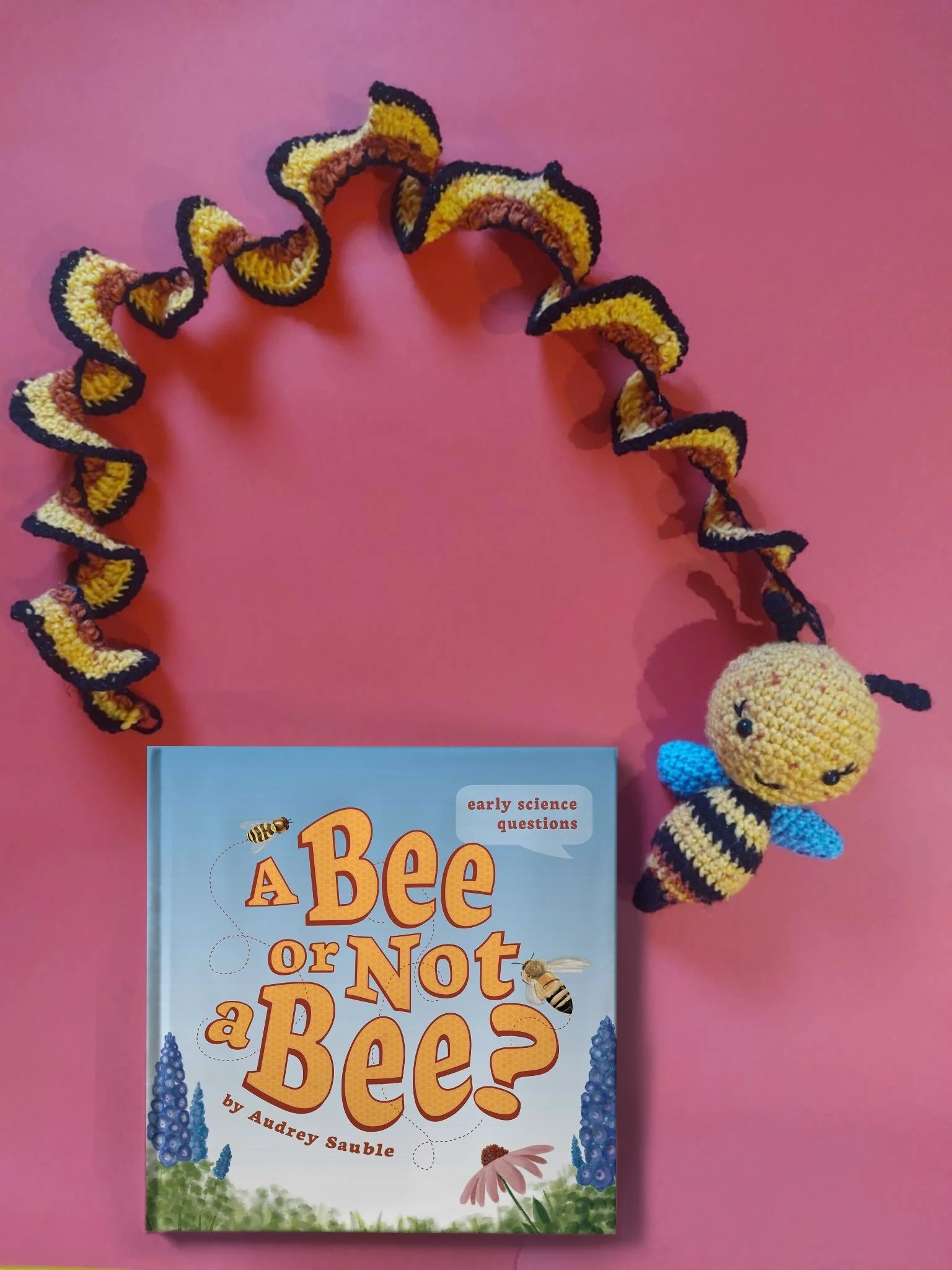
A Bee or Not a Bee? by Audrey Sauble is a playful and thoughtful picture book built around a simple but powerful idea: learning starts when we slow down and ask questions. Through a child-friendly exploration of what makes a bee a bee — and what doesn’t — the story invites young readers to observe closely rather than jump to conclusions. The tone is light and engaging, turning curiosity into an enjoyable shared experience.
From a developmental perspective, the book strongly supports early critical thinking and observation skills. Children are encouraged to compare, notice details, and reflect before deciding — all foundational abilities for scientific thinking and problem-solving. Just as importantly, the story reinforces that it’s okay not to know something right away. Wonder, questioning, and careful looking are presented as strengths, helping children build confidence in their own thinking process.
The illustrations play an essential role in guiding this discovery. Clear, engaging visuals help children spot similarities and differences, making the concept accessible even for very young readers. The artwork feels inviting rather than overwhelming, allowing children to focus on details and enjoy the process of figuring things out. Together, text and illustrations create a book that feels both educational and playful, ideal for repeated read-alouds and discussion.
Finding Belonging When Everything Feels New
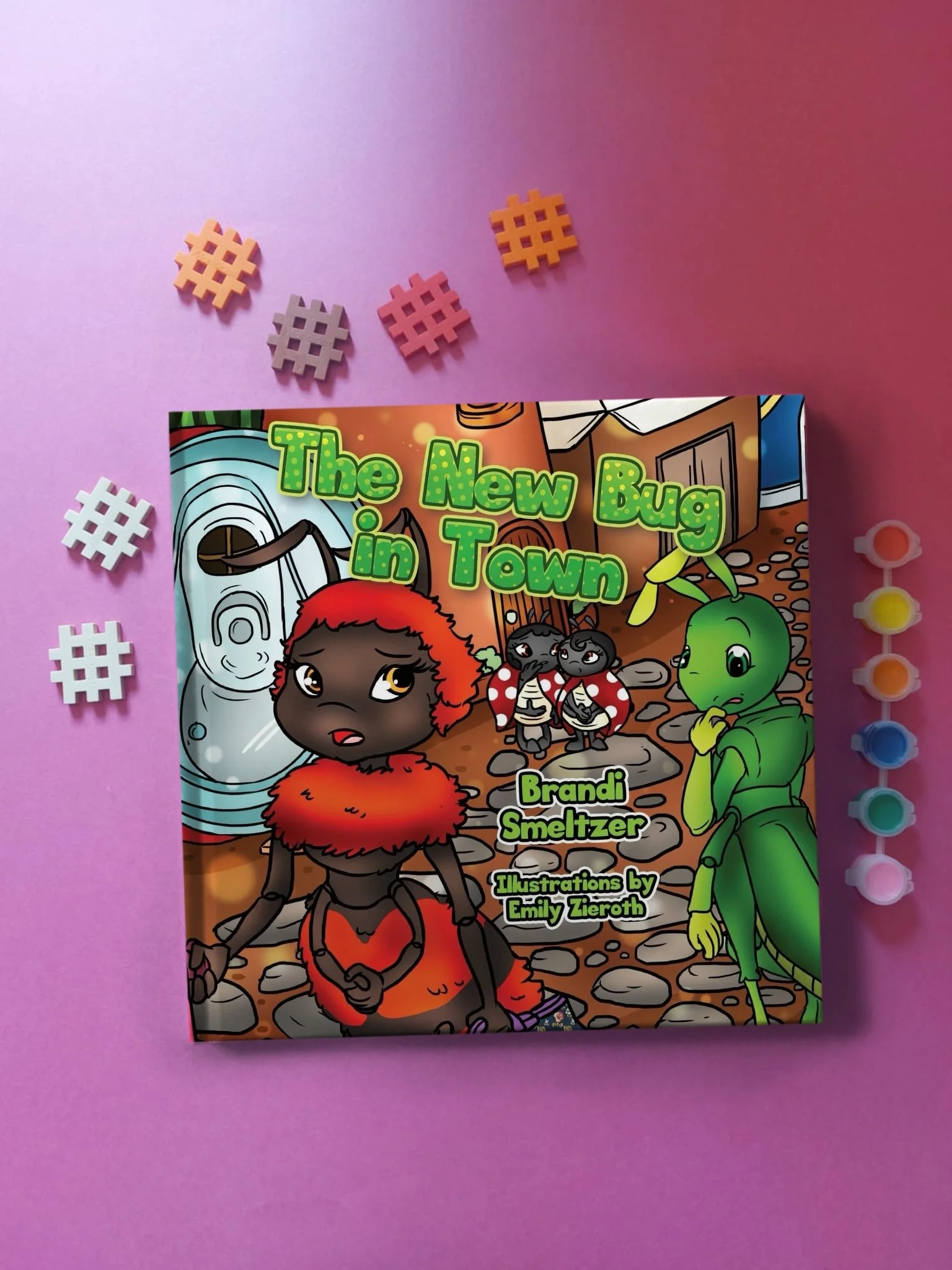
The New Bug in Town by Brandi Schneider is a warm and relatable story about arriving somewhere new and trying to find your place. Through the experience of a newcomer bug entering an already-established community, the book captures the uncertainty, curiosity, and vulnerability that often come with change. The story unfolds gently, allowing young readers to recognize familiar feelings connected to starting something new — whether that’s a classroom, a neighborhood, or a friendship.
From a child-development perspective, the book offers strong support for social-emotional learning. It explores themes of inclusion, empathy, and openness from both sides: the newcomer learning how to navigate unfamiliar surroundings, and the community learning how their reactions affect others. This dual perspective helps children understand that belonging is built through small choices — welcoming, listening, and giving others time to settle in. The story encourages compassion while reassuring children that it’s okay if connection doesn’t happen instantly.
The illustrations add warmth and clarity to the narrative, using expressive characters and approachable compositions that make emotions easy to read. Visual details help distinguish personalities within the bug community, reinforcing the idea that differences enrich rather than disrupt a group. The artwork supports the story’s calm, reassuring tone, making The New Bug in Town a comforting read for children facing transitions or learning how to welcome others.
Sharing Kindness, One Hug at a Time
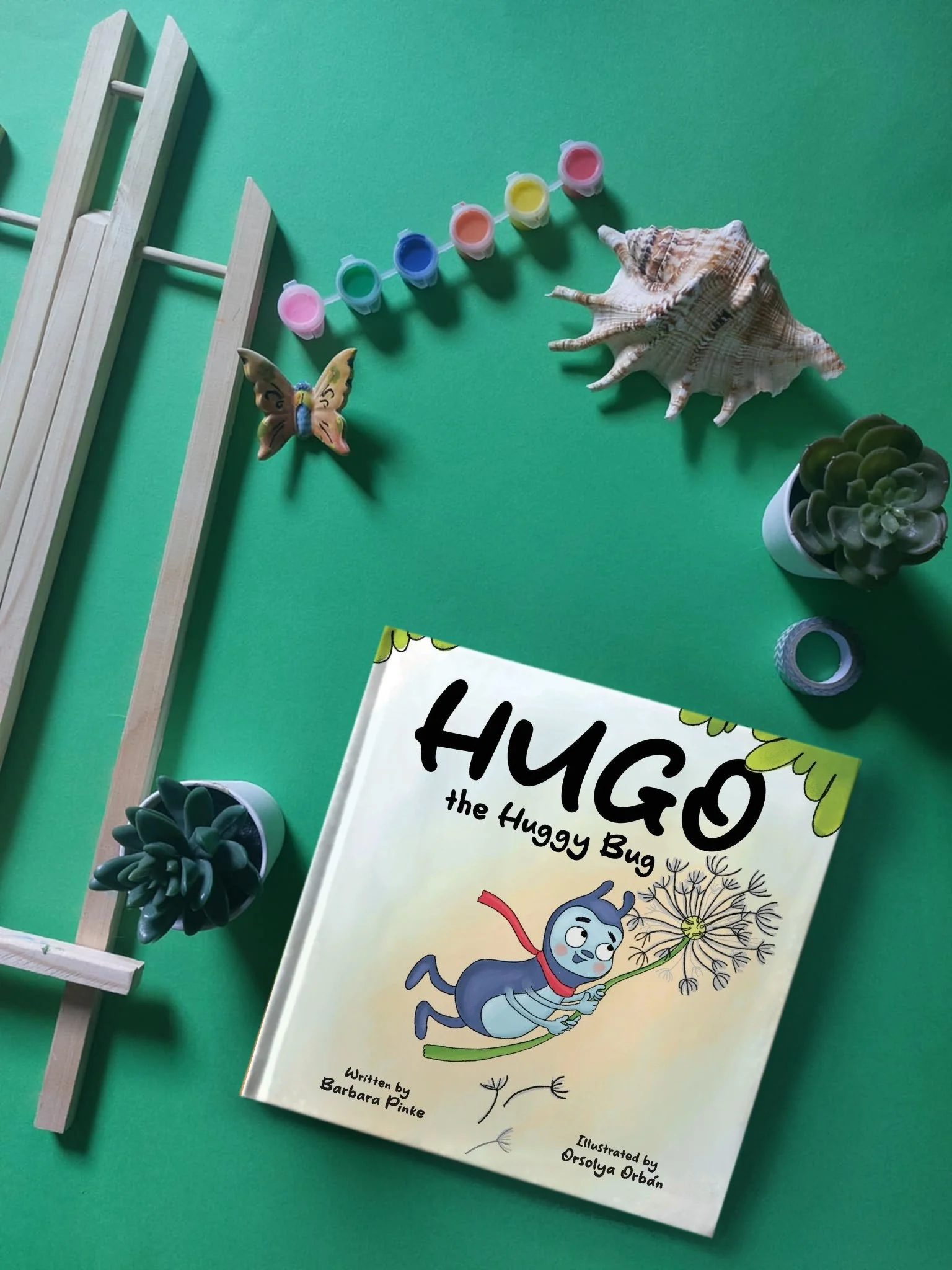
Hugo the Huggy Bug by Barbara Pinke is a warm, affectionate picture book centered on emotional connection and kindness. Hugo is a little bug who loves giving hugs and believes that closeness can brighten even the hardest days. As he moves through his world, his open-hearted nature gently influences those around him, showing how small gestures can create comfort and connection.
For a child’s emotional development, the story offers a clear and accessible lesson about empathy and expressing care for others. Hugo’s actions help young readers recognize emotions — both their own and those of others — and understand that kindness can be shared in simple, everyday ways. The book naturally opens conversations about affection, emotional awareness, and how warmth and care can help build relationships, making it especially suitable for early social-emotional learning.
Orsolya Orbán’s illustrations add a soft, inviting layer to the story. Rounded shapes, gentle expressions, and a harmonious color palette create a sense of safety and warmth that mirrors Hugo’s personality. The visual storytelling supports the emotional tone beautifully, helping children feel the comfort and joy that Hugo brings to others. Together, text and illustrations create a reassuring read that celebrates tenderness and connection.
Across all these books, one message returns again and again: growth doesn’t have to be loud to be meaningful. Whether it’s learning to slow down, setting boundaries, welcoming others, or choosing kindness, these stories offer children tools for navigating their emotional worlds with confidence and care.
They are especially well-suited for shared reading, classroom discussion, and quiet moments where reflection matters just as much as entertainment.
Support My Work 💛
If you enjoyed this article or discovered a new book through these reviews, here are a few ways to support what I do:
Read more reviews on my blog:
👉 https://www.monikamarzec.com/creating-to-spark-creativity-blogSubmit a children’s book for review:
I offer free, thoughtful reviews — details and the submission form are available on my blog.Support me on Buy Me a Coffee:
☕ https://buymeacoffee.com/monambooksFollow along on Instagram:
📚 Reviews: @monam.books
🎨 Illustration: @mona.illustrationShare this article with authors, educators, librarians, or parents who love meaningful picture books.